S
Sophia Hartman
Guest
- Thread Author
- #1
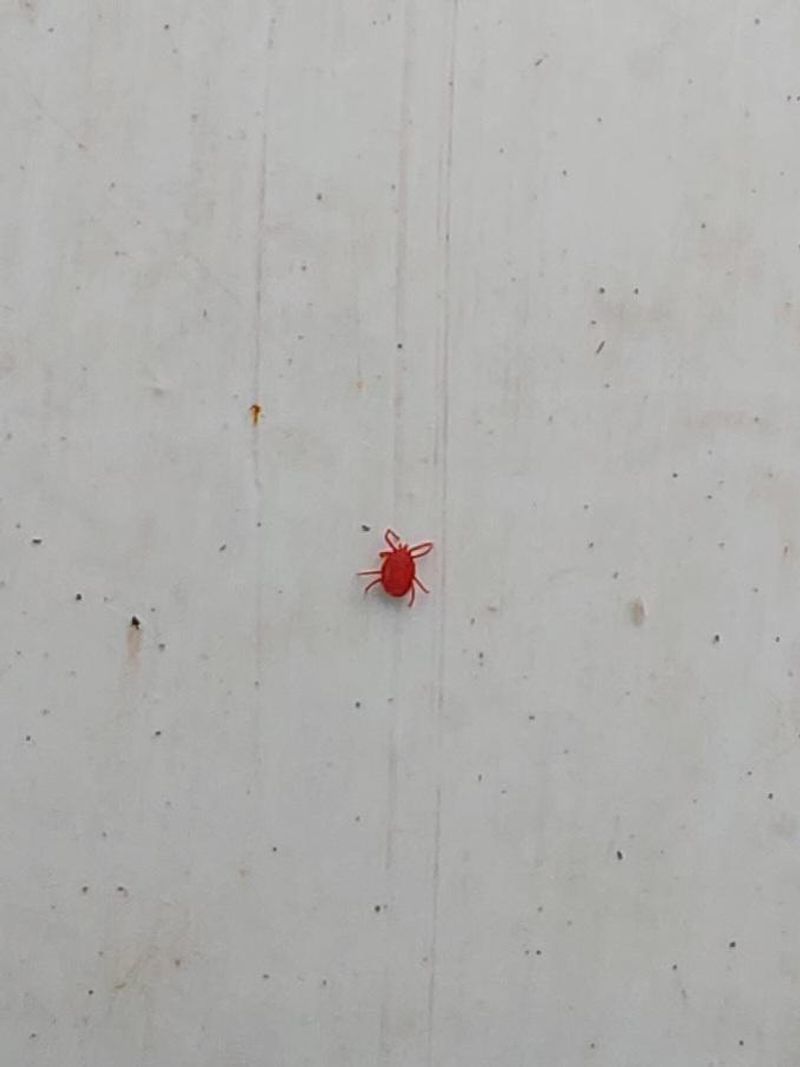
A mite smaller than a pinhead can turn a white wall into a moving carpet of red. Indiana homeowners often spot these crowds on sunny house walls during cool and bright October afternoons.
Each speck measures roughly one thirtieth of an inch and moves surprisingly fast across brick or siding. I love how fast they zip along, and you can watch them cross a windowsill in minutes.
Squash one on a light surface and it may leave a faint reddish smear behind it. Extension experts say these small visitors do not bite people, and they do not harm the house.
Indiana lawns can host huge numbers of them, and the crowds often show up in October. Do you know which tiny lawn visitor is behind the red parade on your walls right now?
© Reddit
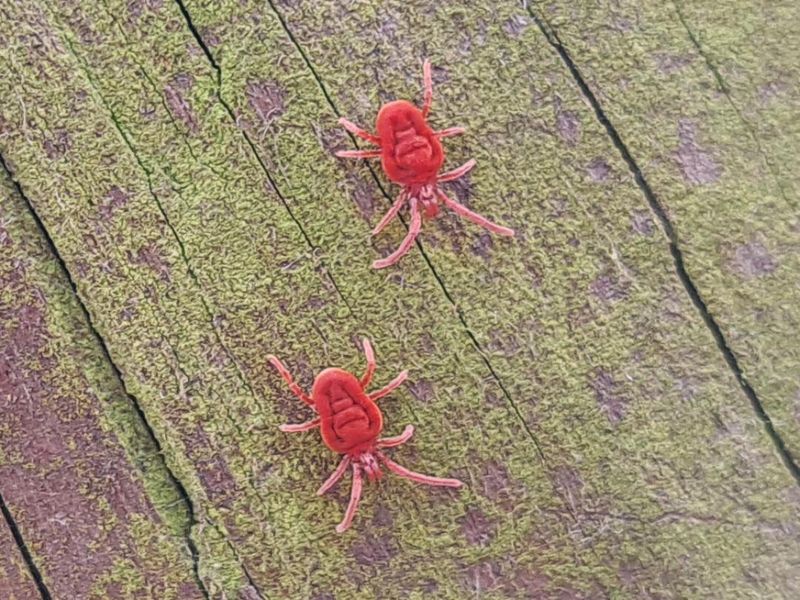
Clover mites are the likely source of those red dots, and they spend most of their lives in grass. University extension services describe them as plant feeders that only occasionally wander into homes.
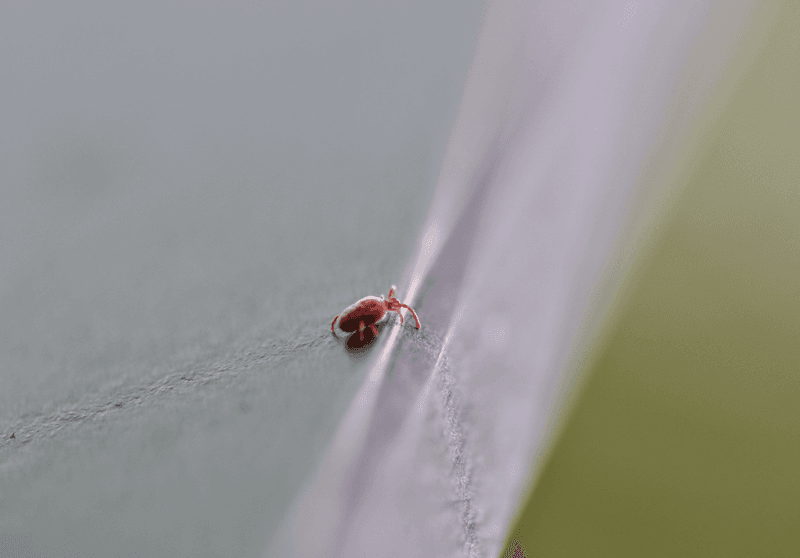
Adults are only about one thirtieth of an inch long, with a reddish brown body and long front legs. Those front legs often look like antennae, which helps explain why the mites seem to walk so oddly.
Their main meals are lawn grasses, clover, dandelions, and other low plants growing near sunny buildings. Tiny mouthparts pierce plant cells and sip the contents, which can leave pale silvery flecks on turf leaves.
Nearly all of them are females, and they reproduce without mating, so a small group can grow quickly. That quiet growth explains how a lawn that looked fine last month can send thousands toward your siding.
Healthy, well-fertilized lawns often hold more mites than thin ones, because the grass offers plenty of tender food. Extension guides often point out that heavy nitrogen use can make this problem a little worse.
You may spot the mites first on a doorframe, a garage wall, or the edge of a window. Walking along the foundation with a flashlight can show whether they are crawling in cracks or gaps.
Understanding the source makes the next steps easier, since you will know the lawn edge is the real starting point. The sections ahead cover timing, location, stains, safety, and a simple prevention step in plain everyday terms.
© Reddit
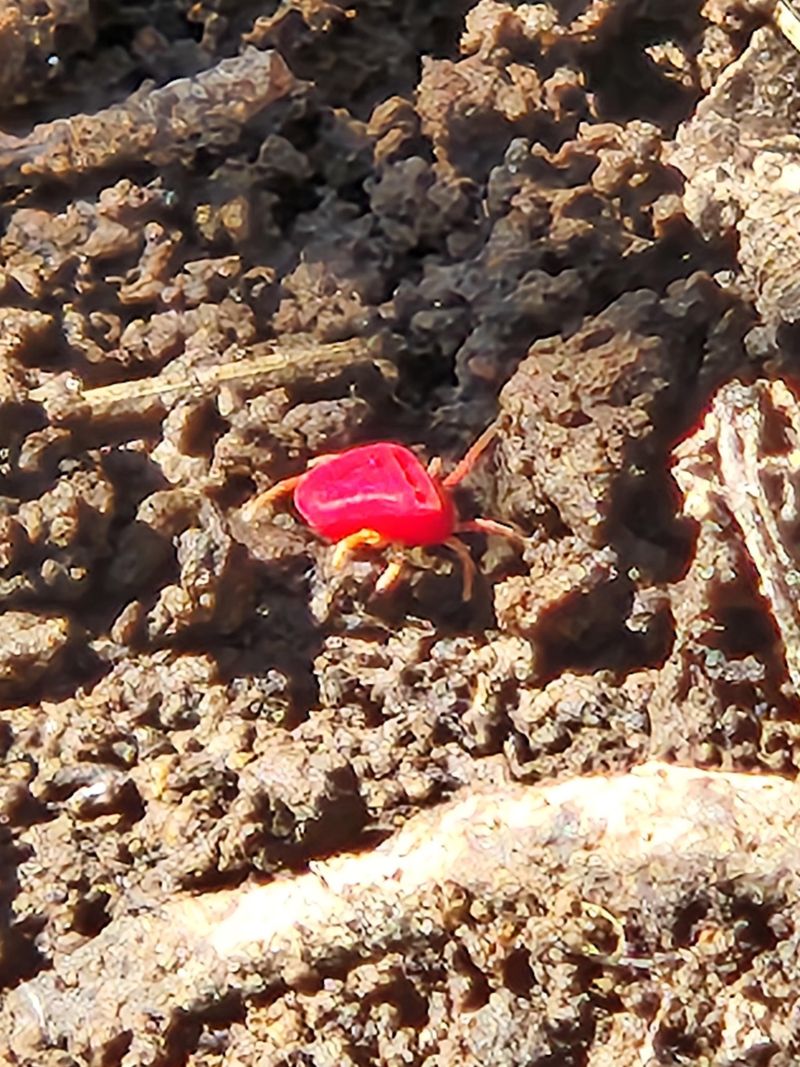
Clover mites are most active in mild, cool weather, which describes many Indiana October afternoons very well. Extension specialists note two main waves of activity, one in fall and one in early spring.
Cold nights prompt the females to lay eggs, and those eggs rest through winter in cracks and bark. Moving toward buildings may help them find sheltered crevices that protect those eggs from harsh weather.
A sudden drop in temperature can seem to bring them out of nowhere in a single morning. In truth, they were already living in the lawn, and shifting weather or crowding in the grass can send them toward the warm walls.
Crowds may seem to vanish and return from day to day, since the weather changes their activity. A cloudy, damp stretch can keep many of them low in the grass for several days in a row.
Dry weather seems to encourage wall climbing in many years, according to several extension publications on clover mites. Researchers still debate every trigger, so I treat weather as one clue rather than a firm rule.
Fall sunshine feels pleasant to us, and apparently to them too, because the walls hold gentle warmth. I like to check my walls on bright mornings, since that is when the crowds look thickest.
Keeping a simple note of the date helps you spot patterns from one year to the next. Those notes can guide your timing for lawn care, foundation work, and any sealing jobs around windows.
© Reddit
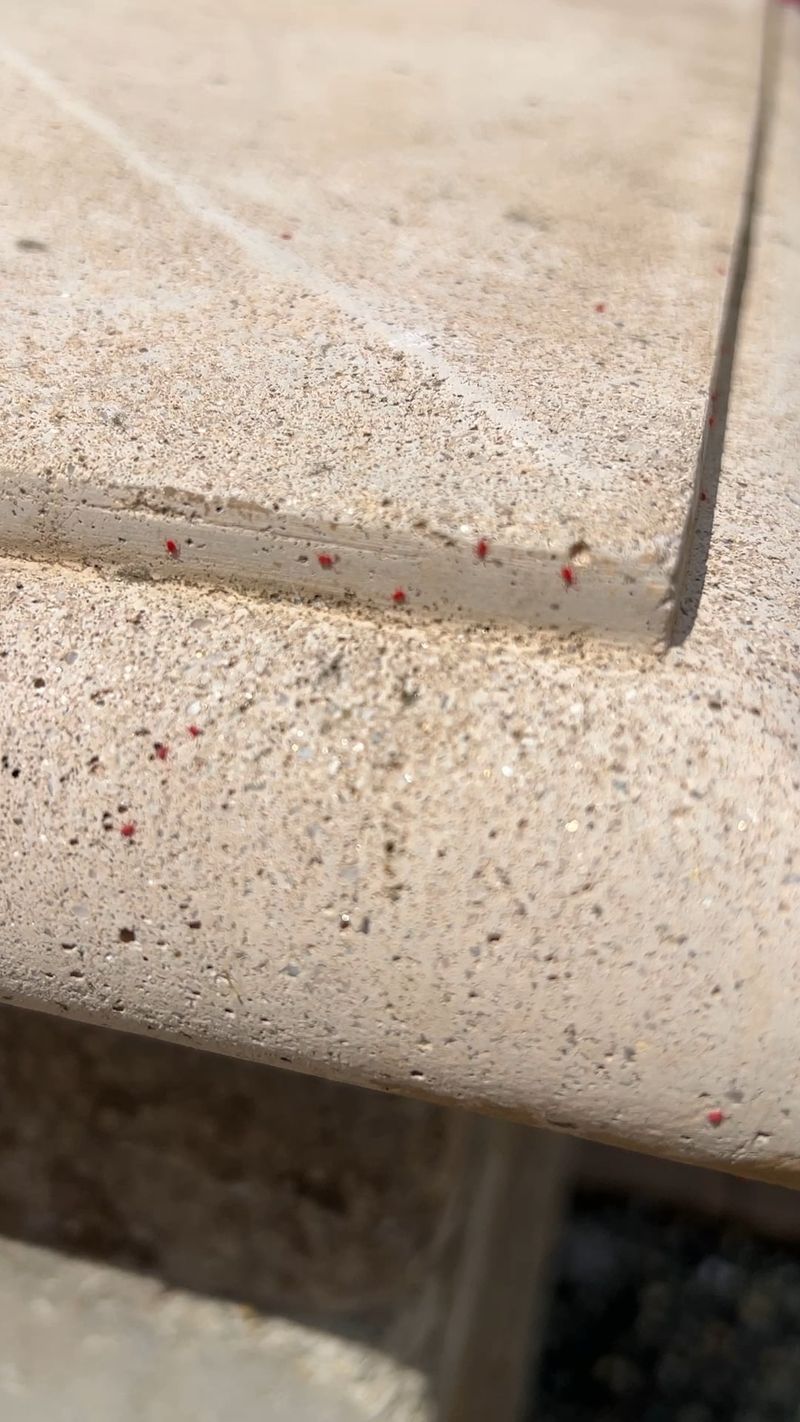
Walls facing south or west soak up the most afternoon sun, and that warmth seems to attract the mites. Extension fact sheets repeatedly mention sunny sides of buildings, especially those with lawn growing right up to the base.
Light-colored siding, white trim, and pale brick make the red bodies easy to see from across a yard. Dark surfaces may hold just as many mites, but the tiny specks blend in much better there.
Windows draw plenty of attention, because mites squeeze through tiny gaps around frames, screens, and weatherstripping. Once inside, they wander over sills and curtains, which is often when most homeowners first notice them.
Think of a sunny wall as a warm bench at a bus stop, drawing in everyone nearby. Shade from a tree or a tall fence may reduce the crowd on that side of the house.
Homes surrounded by lush, thick turf often see more activity than homes with mulch beds near the foundation. That pattern fits what extension experts describe, since the mites begin their journey in grass close to the house.
Walk around your home on a sunny October morning and compare each side of the house. The warmest wall usually has the heaviest crowd, and that spot is where your efforts should begin.
Keep an eye on porches, patios, and brick chimneys too, since warm masonry can draw them in. Marking the busiest areas on a quick sketch helps you plan where to clear grass later.
© Reddit
One careless swipe of a wet paper towel can leave a rusty smear that looks like paint. The color comes from pigments in the mite’s body, and it shows up best on light fabric or paint.
Curtains, window sills, and carpets are the places where stains tend to cause the most frustration for families. Pressing or rubbing the mites against those surfaces is the mistake that most often creates a mark.
A vacuum cleaner with a hose attachment is the tool most extension services suggest for indoor visitors. Empty the bag or canister outside afterward, so the collected mites cannot wander back into the house.
Outdoors, a strong spray of water from a garden hose can wash them off siding quickly and safely. Aim the stream along the wall surface gently, so you do not push water into window frames.
If a stain does appear, act soon and treat the spot with mild soap and cool water. Test any cleaner on a hidden corner first, since fabrics and finishes react differently to many cleaning products.
Blotting works better than rubbing, because rubbing spreads the color and presses it deeper into the fibers below. Patience feels annoying in the moment, but a gentle dab saves a lot of scrubbing later.
Fun fact, clover mites are relatives of spiders and ticks, which makes them arachnids rather than insects. Their eight legs give them away, though you may need a magnifying glass to count them all.
© Pro-Staff Pest Control
Relax, because clover mites are not known to bite people or pets, and they are not known to spread illness. University extension services describe them as nuisance pests that mostly bother people by showing up in large numbers.
They also do not eat wood, drywall, food, or fabric, so the house itself stays in good shape. Their mouthparts are built for sipping plant juices, not for chewing building materials or biting human skin.
Indoor sightings usually stay small, since the mites cannot breed in carpets, furniture, or stored items. Any that wander inside tend to dry out and fade away within a few days without special treatment.
Rare reports mention mild itching in sensitive people, though the mites are not known to bite anyone. If irritation appears, wash the area with soap and water and ask a doctor if it lingers.
Sprays are not always needed for a few mites, though Purdue and other extension guides list perimeter treatments around the foundation when numbers are high. Vacuuming indoors and a plant-free strip outdoors are common first steps.
Pets can sniff around the mites without trouble, though they may paw at the specks out of curiosity. Children can watch them too, as long as everyone washes hands afterward and avoids crushing them indoors.
Knowing the mites are harmless takes a lot of stress away from a busy fall weekend. Spend that saved energy on raking, gutter cleaning, and the foundation strip described in the next section.
© Pest Me Off
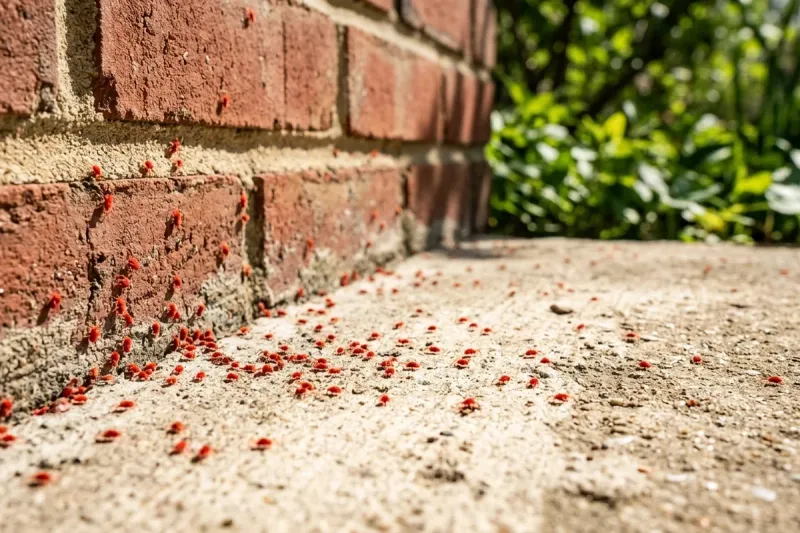
A bare strip about two feet wide around the foundation is the classic tip from extension specialists. Mites can still cross the gap in some cases, but a bare strip often lets fewer reach the siding, windows, and doorways.
Fill the strip with gravel or river rock, which gives them nothing tasty to eat, though extension sources note that mites can still cross rock or mulch. Lay landscape fabric below the stone, and the strip will stay clear of grass and weeds longer.
Flowers, shrubs, and ivy planted right against the wall can act like a bridge for the mites. Moving those plants a bit farther out leaves the strip open, which makes the wall less appealing.
Trim the lawn edge neatly and keep grass from touching the siding, since contact helps mites climb. A string trimmer or flat spade works well, and fall is a comfortable season for the job.
Go easy on lawn fertilizer near the house, because lush, nitrogen-rich grass tends to support bigger mite populations. Follow Purdue Extension lawn fertilizer guidelines to avoid giving the lawn more nitrogen than it needs.
Sealing cracks around windows, doors, and utility openings with caulk keeps stray mites from slipping indoors. Repair torn screens and add door sweeps while the weather is still mild enough for outdoor work.
Changes will not appear overnight, so give the new strip a few weeks and keep watching the walls. Next fall you may notice fewer red specks, though results vary from one home to the next.
The post Tiny Red Specks Are Crawling Across Sunny Indiana Walls This Fall appeared first on Positivebloom.
Each speck measures roughly one thirtieth of an inch and moves surprisingly fast across brick or siding. I love how fast they zip along, and you can watch them cross a windowsill in minutes.
Squash one on a light surface and it may leave a faint reddish smear behind it. Extension experts say these small visitors do not bite people, and they do not harm the house.
Indiana lawns can host huge numbers of them, and the crowds often show up in October. Do you know which tiny lawn visitor is behind the red parade on your walls right now?
A Tiny Lawn Feeder Is Heading For Warm Surfaces
Clover mites are the likely source of those red dots, and they spend most of their lives in grass. University extension services describe them as plant feeders that only occasionally wander into homes.
Adults are only about one thirtieth of an inch long, with a reddish brown body and long front legs. Those front legs often look like antennae, which helps explain why the mites seem to walk so oddly.
Their main meals are lawn grasses, clover, dandelions, and other low plants growing near sunny buildings. Tiny mouthparts pierce plant cells and sip the contents, which can leave pale silvery flecks on turf leaves.
Nearly all of them are females, and they reproduce without mating, so a small group can grow quickly. That quiet growth explains how a lawn that looked fine last month can send thousands toward your siding.
Healthy, well-fertilized lawns often hold more mites than thin ones, because the grass offers plenty of tender food. Extension guides often point out that heavy nitrogen use can make this problem a little worse.
You may spot the mites first on a doorframe, a garage wall, or the edge of a window. Walking along the foundation with a flashlight can show whether they are crawling in cracks or gaps.
Understanding the source makes the next steps easier, since you will know the lawn edge is the real starting point. The sections ahead cover timing, location, stains, safety, and a simple prevention step in plain everyday terms.
Cool Fall Days Trigger The Sudden Crowds
Clover mites are most active in mild, cool weather, which describes many Indiana October afternoons very well. Extension specialists note two main waves of activity, one in fall and one in early spring.
Cold nights prompt the females to lay eggs, and those eggs rest through winter in cracks and bark. Moving toward buildings may help them find sheltered crevices that protect those eggs from harsh weather.
A sudden drop in temperature can seem to bring them out of nowhere in a single morning. In truth, they were already living in the lawn, and shifting weather or crowding in the grass can send them toward the warm walls.
Crowds may seem to vanish and return from day to day, since the weather changes their activity. A cloudy, damp stretch can keep many of them low in the grass for several days in a row.
Dry weather seems to encourage wall climbing in many years, according to several extension publications on clover mites. Researchers still debate every trigger, so I treat weather as one clue rather than a firm rule.
Fall sunshine feels pleasant to us, and apparently to them too, because the walls hold gentle warmth. I like to check my walls on bright mornings, since that is when the crowds look thickest.
Keeping a simple note of the date helps you spot patterns from one year to the next. Those notes can guide your timing for lawn care, foundation work, and any sealing jobs around windows.
Sunny South Or West Walls Tend To Collect The Most
Walls facing south or west soak up the most afternoon sun, and that warmth seems to attract the mites. Extension fact sheets repeatedly mention sunny sides of buildings, especially those with lawn growing right up to the base.
Light-colored siding, white trim, and pale brick make the red bodies easy to see from across a yard. Dark surfaces may hold just as many mites, but the tiny specks blend in much better there.
Windows draw plenty of attention, because mites squeeze through tiny gaps around frames, screens, and weatherstripping. Once inside, they wander over sills and curtains, which is often when most homeowners first notice them.
Think of a sunny wall as a warm bench at a bus stop, drawing in everyone nearby. Shade from a tree or a tall fence may reduce the crowd on that side of the house.
Homes surrounded by lush, thick turf often see more activity than homes with mulch beds near the foundation. That pattern fits what extension experts describe, since the mites begin their journey in grass close to the house.
Walk around your home on a sunny October morning and compare each side of the house. The warmest wall usually has the heaviest crowd, and that spot is where your efforts should begin.
Keep an eye on porches, patios, and brick chimneys too, since warm masonry can draw them in. Marking the busiest areas on a quick sketch helps you plan where to clear grass later.
Crushed Specks Can Leave A Reddish Stain On Surfaces
One careless swipe of a wet paper towel can leave a rusty smear that looks like paint. The color comes from pigments in the mite’s body, and it shows up best on light fabric or paint.
Curtains, window sills, and carpets are the places where stains tend to cause the most frustration for families. Pressing or rubbing the mites against those surfaces is the mistake that most often creates a mark.
A vacuum cleaner with a hose attachment is the tool most extension services suggest for indoor visitors. Empty the bag or canister outside afterward, so the collected mites cannot wander back into the house.
Outdoors, a strong spray of water from a garden hose can wash them off siding quickly and safely. Aim the stream along the wall surface gently, so you do not push water into window frames.
If a stain does appear, act soon and treat the spot with mild soap and cool water. Test any cleaner on a hidden corner first, since fabrics and finishes react differently to many cleaning products.
Blotting works better than rubbing, because rubbing spreads the color and presses it deeper into the fibers below. Patience feels annoying in the moment, but a gentle dab saves a lot of scrubbing later.
Fun fact, clover mites are relatives of spiders and ticks, which makes them arachnids rather than insects. Their eight legs give them away, though you may need a magnifying glass to count them all.
They Are Not Known To Bite People Or Harm The Structure
© Pro-Staff Pest Control
Relax, because clover mites are not known to bite people or pets, and they are not known to spread illness. University extension services describe them as nuisance pests that mostly bother people by showing up in large numbers.
They also do not eat wood, drywall, food, or fabric, so the house itself stays in good shape. Their mouthparts are built for sipping plant juices, not for chewing building materials or biting human skin.
Indoor sightings usually stay small, since the mites cannot breed in carpets, furniture, or stored items. Any that wander inside tend to dry out and fade away within a few days without special treatment.
Rare reports mention mild itching in sensitive people, though the mites are not known to bite anyone. If irritation appears, wash the area with soap and water and ask a doctor if it lingers.
Sprays are not always needed for a few mites, though Purdue and other extension guides list perimeter treatments around the foundation when numbers are high. Vacuuming indoors and a plant-free strip outdoors are common first steps.
Pets can sniff around the mites without trouble, though they may paw at the specks out of curiosity. Children can watch them too, as long as everyone washes hands afterward and avoids crushing them indoors.
Knowing the mites are harmless takes a lot of stress away from a busy fall weekend. Spend that saved energy on raking, gutter cleaning, and the foundation strip described in the next section.
A Plant-Free Strip Beside The Foundation Can Reduce Their Numbers
© Pest Me Off
A bare strip about two feet wide around the foundation is the classic tip from extension specialists. Mites can still cross the gap in some cases, but a bare strip often lets fewer reach the siding, windows, and doorways.
Fill the strip with gravel or river rock, which gives them nothing tasty to eat, though extension sources note that mites can still cross rock or mulch. Lay landscape fabric below the stone, and the strip will stay clear of grass and weeds longer.
Flowers, shrubs, and ivy planted right against the wall can act like a bridge for the mites. Moving those plants a bit farther out leaves the strip open, which makes the wall less appealing.
Trim the lawn edge neatly and keep grass from touching the siding, since contact helps mites climb. A string trimmer or flat spade works well, and fall is a comfortable season for the job.
Go easy on lawn fertilizer near the house, because lush, nitrogen-rich grass tends to support bigger mite populations. Follow Purdue Extension lawn fertilizer guidelines to avoid giving the lawn more nitrogen than it needs.
Sealing cracks around windows, doors, and utility openings with caulk keeps stray mites from slipping indoors. Repair torn screens and add door sweeps while the weather is still mild enough for outdoor work.
Changes will not appear overnight, so give the new strip a few weeks and keep watching the walls. Next fall you may notice fewer red specks, though results vary from one home to the next.
The post Tiny Red Specks Are Crawling Across Sunny Indiana Walls This Fall appeared first on Positivebloom.