L
Liam Prescott
Guest
- Thread Author
- #1
Brush past a patch of lemon balm and your whole yard suddenly smells like a lemonade stand opened up next door.
No sugar, no pitcher, no line of thirsty neighbors. Just pure citrus bliss.
This little mint-family herb has been hanging around Virginia gardens for generations, and honestly, it deserves more credit.
Bees love it, deer tend to snub it, and it makes a mean cup of tea. (Overachiever much?)
Even better, it doesn’t ask for much. A sunny pot on the porch or a scrappy corner of the yard can do the trick.
You don’t need a fancy setup or a famous green thumb, just a little room and a willingness to sniff your plants a lot.
Fair warning, though: once you grow it, you’ll want to brag about it.
© Pegplant.com
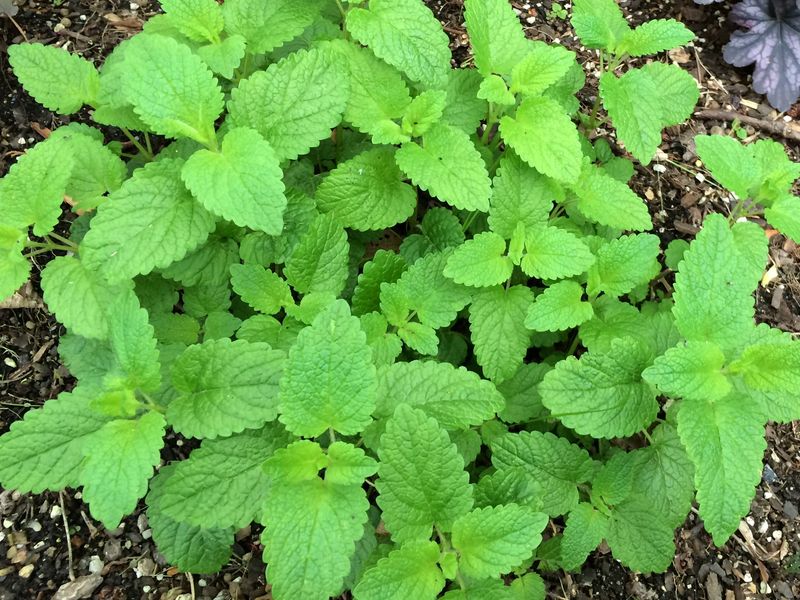
Ask any gardener in Richmond about July, and you will hear groans about sticky heat. Lemon balm, however, shrugs off those muggy days with surprising cheer.
The plant is native to the mountains of southern Europe and northern Africa, where summers run warm. It handles Virginia heat well, especially when it gets a little afternoon shade.
In the hottest parts of the state, morning sun and afternoon shade keep the leaves bright green instead of scorched.
Humidity is the one thing to watch. Long, muggy stretches can occasionally bring powdery mildew or other leaf problems, so good airflow really helps.
Give each plant about 16 to 18 inches of space so air can move between them.
Trim the stems back by a third in midsummer if they flop over or look tired. That haircut also opens up the plant and helps it dry faster after rain.
Watering is simple too. Give the plant a deep drink once or twice a week during dry spells, aiming at the soil rather than the leaves.
Push your finger into the soil, and if the top inch feels dry, it is time to water.
A layer of shredded leaves or straw mulch keeps roots cool. It also holds moisture in the soil during those long, sunny stretches.
Pine straw, which is easy to find around the state, works nicely as well.
Many gardeners notice lemon balm bouncing back fast after a heat wave. A quick haircut and a good soak usually bring fresh growth within a week or two.
For a herb that holds up where summer feels like a sauna, lemon balm is a smart pick. It rarely complains, and it keeps giving.
© Celebrated Nest
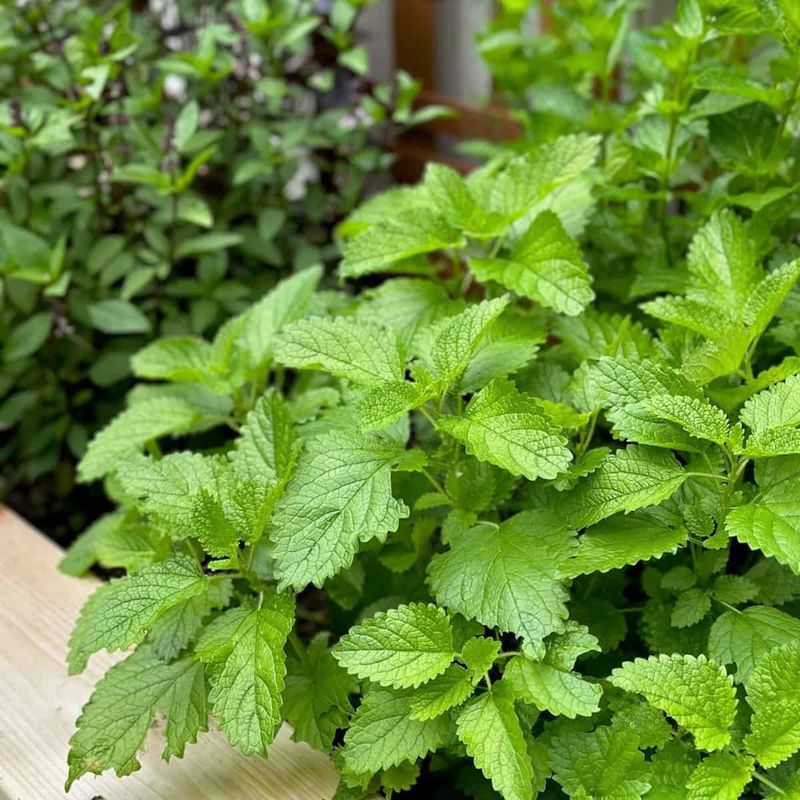
Fun fact: lemon balm is a perennial that comes back year after year in USDA zones 4 through 9. Every corner of Virginia falls inside that range, from the mountains to the coast.
When cold weather arrives, the top growth fades and looks a bit scruffy. Underneath the soil, the roots stay alive and rest until spring.
You can cut the old stems down to a few inches after the first hard frost.
Gardeners in the Shenandoah Valley or Blue Ridge areas may see colder nights. A loose layer of mulch, about two to three inches deep, keeps the roots cozy.
Shredded leaves from your own yard work well and cost nothing.
In early spring, watch for tiny green leaves poking up near the base. They often show up in March in Virginia Beach and a few weeks later farther west.
That fresh growth smells wonderful when you rub it between your fingers.
Once you plant lemon balm, you have a dependable friend in the yard. You will not need to buy new plants each season, which saves money and effort.
For people who like gardens that take care of themselves, a returning herb is a real treat. Plant it once, give it a light tidy each fall, and enjoy many springs of lemony leaves ahead.
Few things feel better than seeing an old friend show up again after winter.
© Garden Nursery
The botanical name Melissa comes from the Greek word for honeybee. In ancient times, people believed sprigs of lemon balm could draw a swarm of bees to an empty hive.
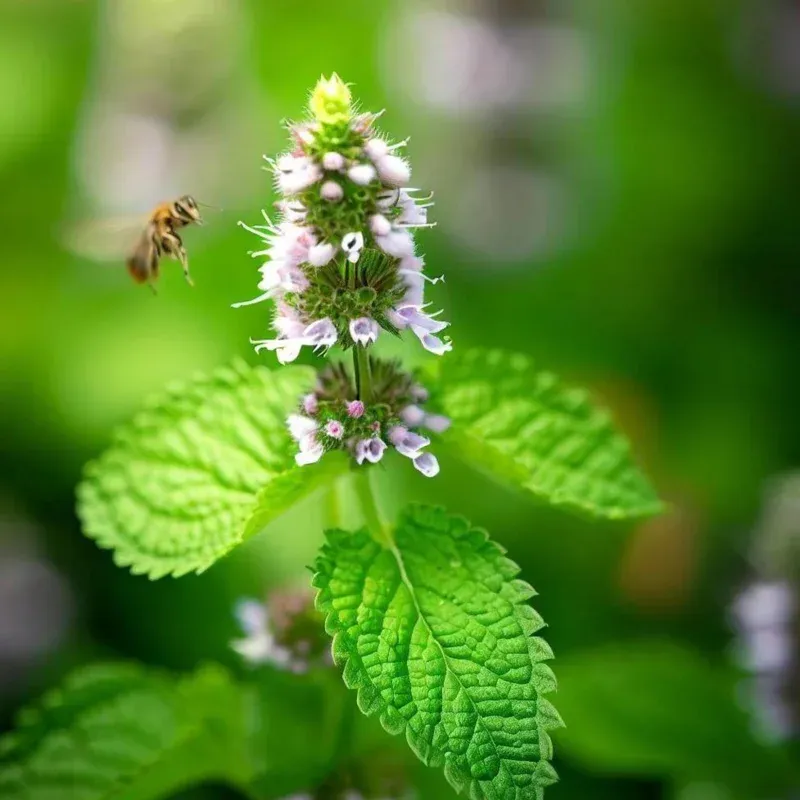
That bee connection still holds today. In summer, lemon balm opens tiny white flowers along its stems, and they are rich in nectar.
Honeybees, bumblebees, and small native bees visit them often.
Pollinators matter a great deal to Virginia farms and backyard gardens. Apples, squash, cucumbers, melons, and blueberries all depend on visits from busy insects.
Adding lemon balm gives those helpers another food source.
Here is a helpful tip: let a few stems bloom even if you harvest leaves often. You can cut half the plant for tea and leave the other half for bees.
Everyone wins that way.
Place lemon balm near your vegetable beds to draw bees closer to crops. Since cucumbers and squash need bees to set fruit, a nearby patch of blooms may help bring more pollinators their way.
Skip chemical sprays on or around the plant. Bees are sensitive, and a clean garden keeps them healthy and happy.
Sitting near a blooming patch on a warm afternoon is its own small joy. The gentle hum of wings, mixed with that bright citrus scent, makes the garden feel alive and peaceful at the same time.
© Julia Eats
Grandma probably knew this trick long before it became trendy. A handful of fresh leaves in hot water makes a soothing, lemony tea in minutes.
Here is an easy recipe. Pick about ten to fifteen leaves, rinse them, and tear them gently to release the oils.
Pour one cup of hot water over them and let it steep for five to ten minutes.
Many people find the tea calming after a long day. It tastes mild and bright, with no bitter bite.
A spoon of local Virginia honey makes it even better.
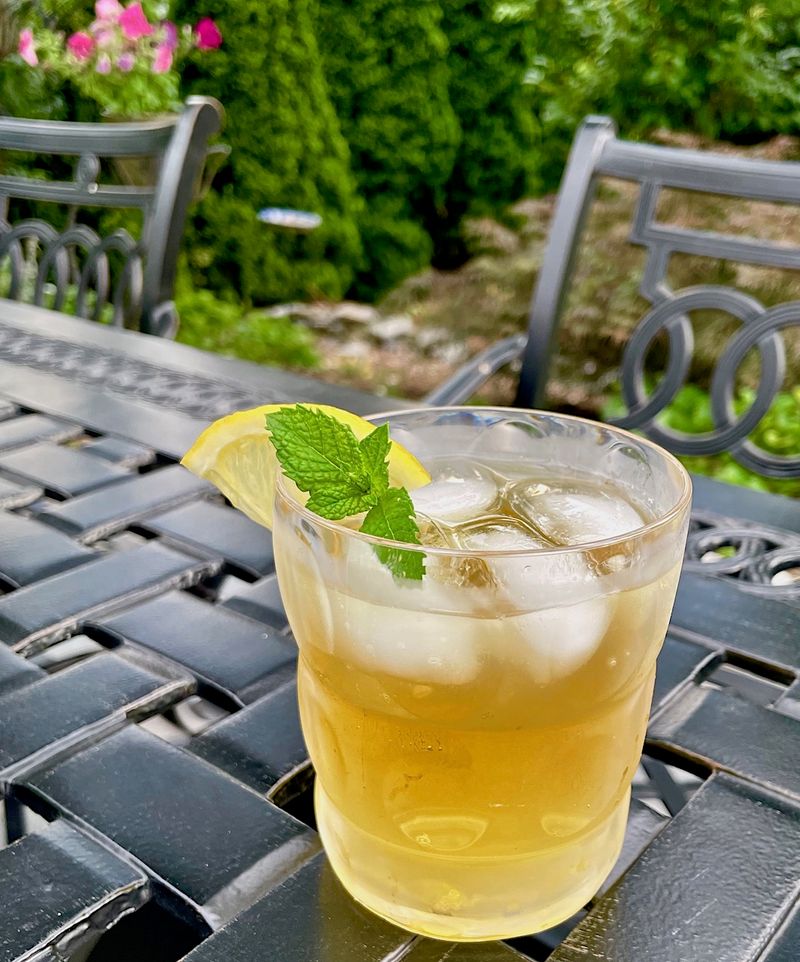
Iced tea fans will love it too. Brew a strong batch, chill it, and pour it over ice with a slice of lemon.
On a hot afternoon, it beats soda by a mile.
You can mix lemon balm with mint, chamomile, or regular black tea for fun blends. Try a few combinations and find your favorite.
Harvest leaves in the morning after the dew dries for the best flavor. That is when the oils are strongest.
Drying leaves for winter is simple as well. Hang small bundles upside down in a shady, airy room for about a week.
Store the crumbled leaves in a glass jar. Come January, a warm cup will remind you of summer.
© The Old Farmer’s Almanac
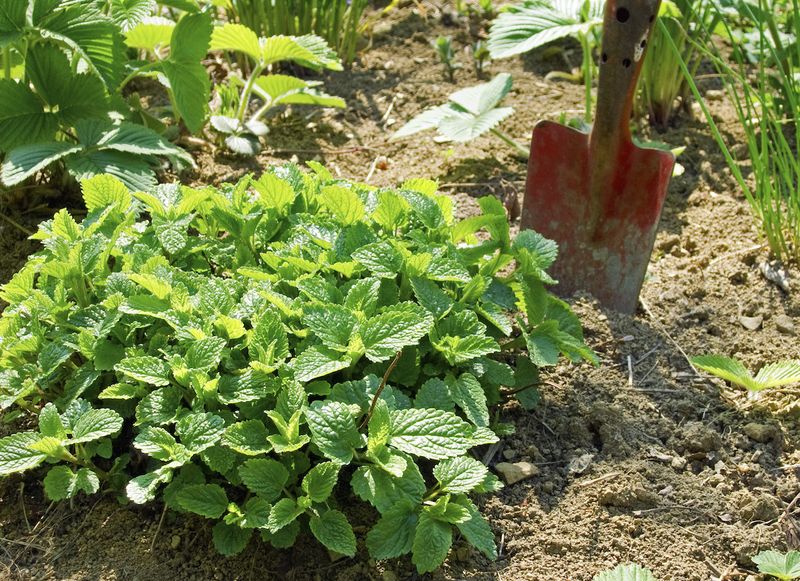
Anyone who has dug a hole in the Piedmont knows the struggle. Red clay can feel like baking brick, and many plants sulk in it.
Lemon balm is far less picky than most herbs. It prefers well-drained soil but tolerates poor ground once established, including clay, loam, and the sandier soil found near the coast.
As long as water does not sit around the roots for days, it usually settles in fine.
For the best results in heavy clay, mix in a few shovels of compost before planting. Compost loosens the soil and helps water drain.
It also feeds helpful worms and tiny soil life.
Raised beds offer another easy option. Even a simple bed just eight inches tall gives roots room to spread.
Big containers work great too, especially on patios.
Skip heavy fertilizer. Too much food can make the plant grow fast while weakening its flavor and scent.
A light layer of compost each spring is plenty.
Soil pH is worth a quick check. Lemon balm does well in slightly acidic to neutral soil, but many Virginia soils lean acidic, sometimes strongly so.
A low-cost soil test through Virginia Cooperative Extension can tell you if your ground needs a little lime.
Gardeners who have battled fussy plants often feel relief growing this herb. It sets roots, stretches out, and gets to work.
Sometimes the easiest wins in gardening come from choosing plants that fit the ground you already have.

© Countryside Magazine
Summer evenings on the porch sound lovely until the mosquitoes arrive. Along the Tidewater and Chesapeake Bay areas, they can feel endless.
Lemon balm contains a natural compound called citronellal. That is a close cousin to the scent used in many citronella candles.
Bugs tend to dislike the smell.
To use it, crush a few fresh leaves between your fingers and rub them on your arms. The scent is pleasant and fresh.
Many people enjoy it as a light, natural option for short outdoor visits.
Keep in mind that it works best as a helper rather than a full shield. For long hikes or very buggy places, a tested repellent is still wise.
Test the leaves on a small patch of skin first, since some people have sensitive skin.
Placing pots of lemon balm near doors, decks, and seating areas adds a bonus. Brushing past the plants releases their scent into the air.
You can also toss a handful of leaves into a bowl of warm water on the patio table. The aroma drifts gently while you eat or chat.
Families across Virginia enjoy simple tricks like these. They make backyard dinners, game nights, and lazy evenings a little more comfortable while keeping the garden smelling fresh.
© The Old Farmer’s Almanac
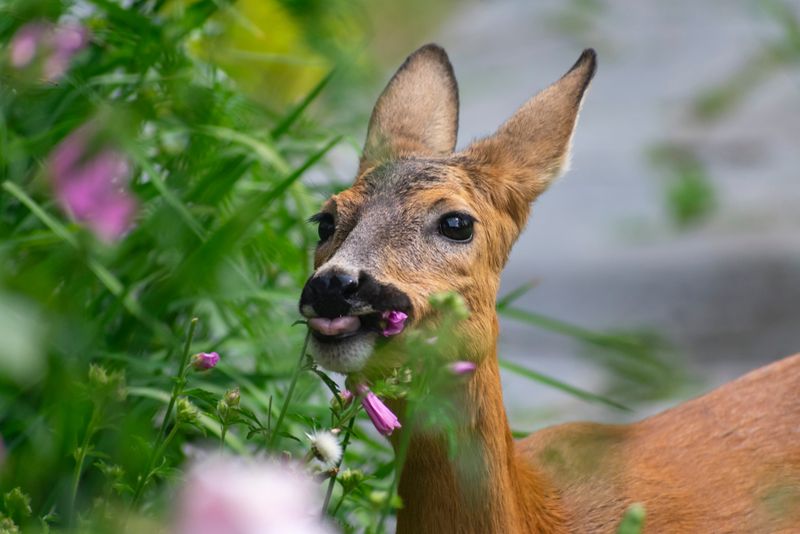
Let us be honest about something. Virginia has a lot of white-tailed deer, and they treat gardens like an all-you-can-eat buffet.
Lemon balm brings good news here. Like most members of the mint family, it has strong-smelling leaves that deer usually avoid.
Rabbits also tend to leave it alone.
No plant is fully deer-proof, of course. A very hungry deer in late winter may nibble almost anything.
Still, lemon balm ranks among the more resistant choices for yards near woods and fields.
Smart gardeners use that scent to their advantage. Plant lemon balm along the edges of beds that hold tastier crops, like lettuce or beans.
The strong aroma may help mask the scent of the plants deer love.
Mixing it with other strong herbs, such as sage, lavender, and oregano, builds a fragrant border. That kind of planting looks pretty and works hard at the same time.
Homeowners in suburbs like Fairfax and Charlottesville often share stories of hostas and tulips vanishing overnight. Herbs like lemon balm offer a calmer gardening experience.
Fewer chewed leaves mean less stress and more time enjoying your plants. For anyone tired of waking up to a nibbled garden, adding this lemony herb is a simple and friendly step.
© Milk Glass Home & Kitchen
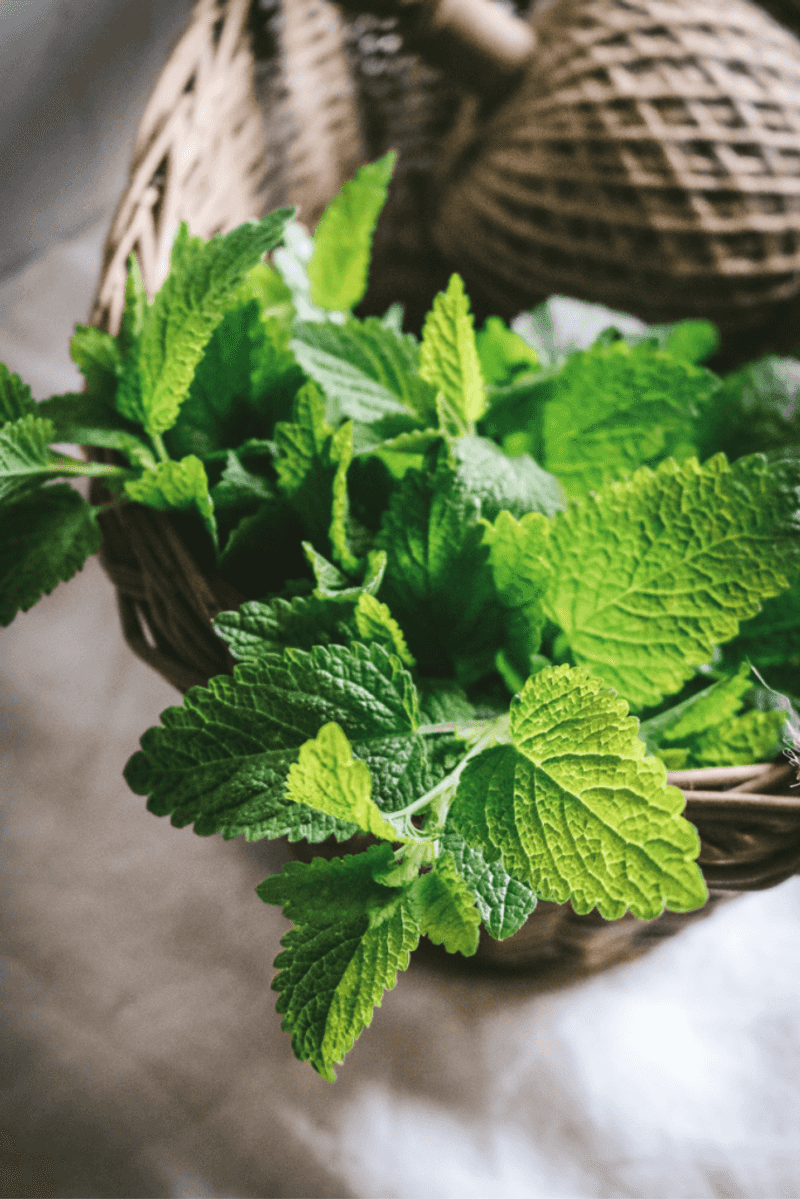
Chefs love a secret ingredient, and lemon balm might be one of the easiest to grow. Its leaves add a soft lemon flavor without the sour punch of real lemons.
Try chopping a few leaves into a fruit salad. Virginia peaches and strawberries taste amazing with a sprinkle of fresh lemon balm on top.
Kids often enjoy picking the leaves themselves.
It also brightens savory dishes. Stir chopped leaves into chicken salad, sprinkle them on grilled fish, or blend them into a green sauce with olive oil and garlic.
Add them at the end of cooking, since heat fades the flavor.
Baking is another fun option. Lemon balm shortbread cookies and pound cake carry a fresh, gentle zing.
Simply mix finely chopped leaves into the batter or dough.
For drinks, drop a few sprigs into lemonade, sparkling water, or a pitcher of sweet tea. The leaves look pretty and add a light citrus twist.
Herb butter is a hidden gem. Blend soft butter with chopped lemon balm and a pinch of salt.
Spread it on warm cornbread for a true Southern treat.
With a plant right outside the door, you can grab fresh flavor anytime. That feels a lot nicer than buying tiny plastic packs of herbs at the store.
© whimsical wild rose
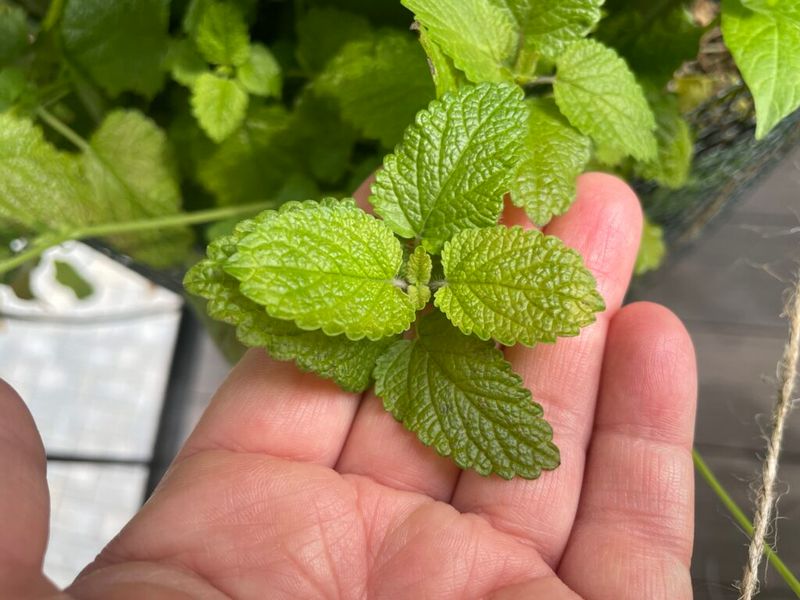
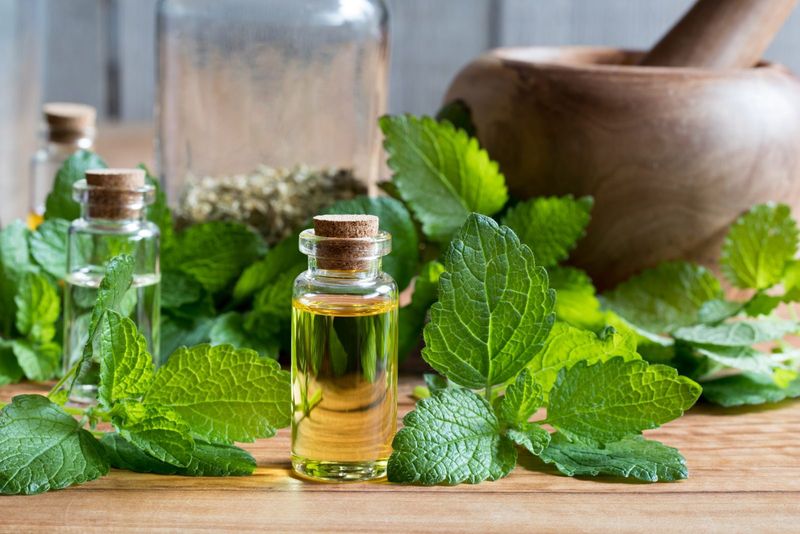
Not everyone has a big backyard, and that is completely fine. Lemon balm grows happily in pots on balconies, steps, and sunny windowsills.
A container about 12 inches wide gives one plant plenty of room. Choose a pot with drainage holes and fill it with good potting mix.
Place it where it gets at least four to six hours of sun.
Apartment dwellers in cities like Alexandria and Norfolk can enjoy fresh herbs without a garden plot. Even a tiny patio can hold a pot or two.
Beginners will appreciate how forgiving this plant is. Miss a watering or forget to trim, and it usually perks right back up.
That makes it a great first herb for kids and new gardeners.
Growing in pots has one more big perk. Lemon balm spreads two ways, by dropping seeds and by creeping underground stems called rhizomes.
NC State Extension even recommends growing it in a container so it does not wander into the rest of your landscape.
Snip off flower heads after bees enjoy them to limit stray seedlings. If you plant it in the ground, pull up seedlings and runners where you do not want them.
Starting is easy too. Buy a small plant at a local nursery in spring, or ask a neighbor for a rooted piece.
Gardeners often have extras to share.
Success with an easy plant builds confidence. Once you see your lemon balm thriving, you may feel ready to try basil, rosemary, or even tomatoes next season.
© Herbal Reality
People in centuries past valued lemon balm for lifting the spirits and calming a busy mind.
Modern folks still feel that comfort. Just running your hand over the leaves releases a clean, bright smell.
Many gardeners say it makes them pause, breathe deeper, and slow down.
Life can feel rushed, whether you commute around Northern Virginia or juggle school and work. A small herb garden gives you a spot to unwind.
Even five minutes of pulling weeds or picking leaves can feel refreshing.
Try making a simple sachet. Dry some leaves, place them in a small cloth bag, and tuck it into a drawer or pillowcase.
The soft scent adds a cozy touch to your room.
Some people add a handful of fresh leaves to a warm bath. The steam carries the lemony aroma and turns a regular evening into a mini spa night.
Gifting is another lovely idea. Pot up a small division in spring and share it with a friend or neighbor.
Handmade gifts from the garden feel personal and kind.
Gardening has a quiet way of easing stress. With lemon balm, you get that peaceful feeling plus a fragrance that keeps you smiling all season long.
The post 10 Great Reasons Why Virginia Gardeners Should Grow Lemon Balm appeared first on Positivebloom.
No sugar, no pitcher, no line of thirsty neighbors. Just pure citrus bliss.
This little mint-family herb has been hanging around Virginia gardens for generations, and honestly, it deserves more credit.
Bees love it, deer tend to snub it, and it makes a mean cup of tea. (Overachiever much?)
Even better, it doesn’t ask for much. A sunny pot on the porch or a scrappy corner of the yard can do the trick.
You don’t need a fancy setup or a famous green thumb, just a little room and a willingness to sniff your plants a lot.
Fair warning, though: once you grow it, you’ll want to brag about it.
1. It Laughs Off Hot Virginia Summers
© Pegplant.com
Ask any gardener in Richmond about July, and you will hear groans about sticky heat. Lemon balm, however, shrugs off those muggy days with surprising cheer.
The plant is native to the mountains of southern Europe and northern Africa, where summers run warm. It handles Virginia heat well, especially when it gets a little afternoon shade.
In the hottest parts of the state, morning sun and afternoon shade keep the leaves bright green instead of scorched.
Humidity is the one thing to watch. Long, muggy stretches can occasionally bring powdery mildew or other leaf problems, so good airflow really helps.
Give each plant about 16 to 18 inches of space so air can move between them.
Trim the stems back by a third in midsummer if they flop over or look tired. That haircut also opens up the plant and helps it dry faster after rain.
Watering is simple too. Give the plant a deep drink once or twice a week during dry spells, aiming at the soil rather than the leaves.
Push your finger into the soil, and if the top inch feels dry, it is time to water.
A layer of shredded leaves or straw mulch keeps roots cool. It also holds moisture in the soil during those long, sunny stretches.
Pine straw, which is easy to find around the state, works nicely as well.
Many gardeners notice lemon balm bouncing back fast after a heat wave. A quick haircut and a good soak usually bring fresh growth within a week or two.
For a herb that holds up where summer feels like a sauna, lemon balm is a smart pick. It rarely complains, and it keeps giving.
2. Winters Can’t Keep It Down
© Celebrated Nest
Fun fact: lemon balm is a perennial that comes back year after year in USDA zones 4 through 9. Every corner of Virginia falls inside that range, from the mountains to the coast.
When cold weather arrives, the top growth fades and looks a bit scruffy. Underneath the soil, the roots stay alive and rest until spring.
You can cut the old stems down to a few inches after the first hard frost.
Gardeners in the Shenandoah Valley or Blue Ridge areas may see colder nights. A loose layer of mulch, about two to three inches deep, keeps the roots cozy.
Shredded leaves from your own yard work well and cost nothing.
In early spring, watch for tiny green leaves poking up near the base. They often show up in March in Virginia Beach and a few weeks later farther west.
That fresh growth smells wonderful when you rub it between your fingers.
Once you plant lemon balm, you have a dependable friend in the yard. You will not need to buy new plants each season, which saves money and effort.
For people who like gardens that take care of themselves, a returning herb is a real treat. Plant it once, give it a light tidy each fall, and enjoy many springs of lemony leaves ahead.
Few things feel better than seeing an old friend show up again after winter.
3. A Buzzing Welcome For Pollinators
© Garden Nursery
The botanical name Melissa comes from the Greek word for honeybee. In ancient times, people believed sprigs of lemon balm could draw a swarm of bees to an empty hive.
That bee connection still holds today. In summer, lemon balm opens tiny white flowers along its stems, and they are rich in nectar.
Honeybees, bumblebees, and small native bees visit them often.
Pollinators matter a great deal to Virginia farms and backyard gardens. Apples, squash, cucumbers, melons, and blueberries all depend on visits from busy insects.
Adding lemon balm gives those helpers another food source.
Here is a helpful tip: let a few stems bloom even if you harvest leaves often. You can cut half the plant for tea and leave the other half for bees.
Everyone wins that way.
Place lemon balm near your vegetable beds to draw bees closer to crops. Since cucumbers and squash need bees to set fruit, a nearby patch of blooms may help bring more pollinators their way.
Skip chemical sprays on or around the plant. Bees are sensitive, and a clean garden keeps them healthy and happy.
Sitting near a blooming patch on a warm afternoon is its own small joy. The gentle hum of wings, mixed with that bright citrus scent, makes the garden feel alive and peaceful at the same time.
4. Fresh Tea Straight From Your Backyard
© Julia Eats
Grandma probably knew this trick long before it became trendy. A handful of fresh leaves in hot water makes a soothing, lemony tea in minutes.
Here is an easy recipe. Pick about ten to fifteen leaves, rinse them, and tear them gently to release the oils.
Pour one cup of hot water over them and let it steep for five to ten minutes.
Many people find the tea calming after a long day. It tastes mild and bright, with no bitter bite.
A spoon of local Virginia honey makes it even better.
Iced tea fans will love it too. Brew a strong batch, chill it, and pour it over ice with a slice of lemon.
On a hot afternoon, it beats soda by a mile.
You can mix lemon balm with mint, chamomile, or regular black tea for fun blends. Try a few combinations and find your favorite.
Harvest leaves in the morning after the dew dries for the best flavor. That is when the oils are strongest.
Drying leaves for winter is simple as well. Hang small bundles upside down in a shady, airy room for about a week.
Store the crumbled leaves in a glass jar. Come January, a warm cup will remind you of summer.
5. Virginia Clay Soil Is No Problem
© The Old Farmer’s Almanac
Anyone who has dug a hole in the Piedmont knows the struggle. Red clay can feel like baking brick, and many plants sulk in it.
Lemon balm is far less picky than most herbs. It prefers well-drained soil but tolerates poor ground once established, including clay, loam, and the sandier soil found near the coast.
As long as water does not sit around the roots for days, it usually settles in fine.
For the best results in heavy clay, mix in a few shovels of compost before planting. Compost loosens the soil and helps water drain.
It also feeds helpful worms and tiny soil life.
Raised beds offer another easy option. Even a simple bed just eight inches tall gives roots room to spread.
Big containers work great too, especially on patios.
Skip heavy fertilizer. Too much food can make the plant grow fast while weakening its flavor and scent.
A light layer of compost each spring is plenty.
Soil pH is worth a quick check. Lemon balm does well in slightly acidic to neutral soil, but many Virginia soils lean acidic, sometimes strongly so.
A low-cost soil test through Virginia Cooperative Extension can tell you if your ground needs a little lime.
Gardeners who have battled fussy plants often feel relief growing this herb. It sets roots, stretches out, and gets to work.
Sometimes the easiest wins in gardening come from choosing plants that fit the ground you already have.
6. A Natural Helper Against Mosquitoes
© Countryside Magazine
Summer evenings on the porch sound lovely until the mosquitoes arrive. Along the Tidewater and Chesapeake Bay areas, they can feel endless.
Lemon balm contains a natural compound called citronellal. That is a close cousin to the scent used in many citronella candles.
Bugs tend to dislike the smell.
To use it, crush a few fresh leaves between your fingers and rub them on your arms. The scent is pleasant and fresh.
Many people enjoy it as a light, natural option for short outdoor visits.
Keep in mind that it works best as a helper rather than a full shield. For long hikes or very buggy places, a tested repellent is still wise.
Test the leaves on a small patch of skin first, since some people have sensitive skin.
Placing pots of lemon balm near doors, decks, and seating areas adds a bonus. Brushing past the plants releases their scent into the air.
You can also toss a handful of leaves into a bowl of warm water on the patio table. The aroma drifts gently while you eat or chat.
Families across Virginia enjoy simple tricks like these. They make backyard dinners, game nights, and lazy evenings a little more comfortable while keeping the garden smelling fresh.
7. Deer Tend To Skip It In Yards
© The Old Farmer’s Almanac
Let us be honest about something. Virginia has a lot of white-tailed deer, and they treat gardens like an all-you-can-eat buffet.
Lemon balm brings good news here. Like most members of the mint family, it has strong-smelling leaves that deer usually avoid.
Rabbits also tend to leave it alone.
No plant is fully deer-proof, of course. A very hungry deer in late winter may nibble almost anything.
Still, lemon balm ranks among the more resistant choices for yards near woods and fields.
Smart gardeners use that scent to their advantage. Plant lemon balm along the edges of beds that hold tastier crops, like lettuce or beans.
The strong aroma may help mask the scent of the plants deer love.
Mixing it with other strong herbs, such as sage, lavender, and oregano, builds a fragrant border. That kind of planting looks pretty and works hard at the same time.
Homeowners in suburbs like Fairfax and Charlottesville often share stories of hostas and tulips vanishing overnight. Herbs like lemon balm offer a calmer gardening experience.
Fewer chewed leaves mean less stress and more time enjoying your plants. For anyone tired of waking up to a nibbled garden, adding this lemony herb is a simple and friendly step.
8. Kitchen Magic From A Herb Patch
© Milk Glass Home & Kitchen
Chefs love a secret ingredient, and lemon balm might be one of the easiest to grow. Its leaves add a soft lemon flavor without the sour punch of real lemons.
Try chopping a few leaves into a fruit salad. Virginia peaches and strawberries taste amazing with a sprinkle of fresh lemon balm on top.
Kids often enjoy picking the leaves themselves.
It also brightens savory dishes. Stir chopped leaves into chicken salad, sprinkle them on grilled fish, or blend them into a green sauce with olive oil and garlic.
Add them at the end of cooking, since heat fades the flavor.
Baking is another fun option. Lemon balm shortbread cookies and pound cake carry a fresh, gentle zing.
Simply mix finely chopped leaves into the batter or dough.
For drinks, drop a few sprigs into lemonade, sparkling water, or a pitcher of sweet tea. The leaves look pretty and add a light citrus twist.
Herb butter is a hidden gem. Blend soft butter with chopped lemon balm and a pinch of salt.
Spread it on warm cornbread for a true Southern treat.
With a plant right outside the door, you can grab fresh flavor anytime. That feels a lot nicer than buying tiny plastic packs of herbs at the store.
9. Perfect For Small Spaces And Beginners
© whimsical wild rose
Not everyone has a big backyard, and that is completely fine. Lemon balm grows happily in pots on balconies, steps, and sunny windowsills.
A container about 12 inches wide gives one plant plenty of room. Choose a pot with drainage holes and fill it with good potting mix.
Place it where it gets at least four to six hours of sun.
Apartment dwellers in cities like Alexandria and Norfolk can enjoy fresh herbs without a garden plot. Even a tiny patio can hold a pot or two.
Beginners will appreciate how forgiving this plant is. Miss a watering or forget to trim, and it usually perks right back up.
That makes it a great first herb for kids and new gardeners.
Growing in pots has one more big perk. Lemon balm spreads two ways, by dropping seeds and by creeping underground stems called rhizomes.
NC State Extension even recommends growing it in a container so it does not wander into the rest of your landscape.
Snip off flower heads after bees enjoy them to limit stray seedlings. If you plant it in the ground, pull up seedlings and runners where you do not want them.
Starting is easy too. Buy a small plant at a local nursery in spring, or ask a neighbor for a rooted piece.
Gardeners often have extras to share.
Success with an easy plant builds confidence. Once you see your lemon balm thriving, you may feel ready to try basil, rosemary, or even tomatoes next season.
10. A Calming Scent For Busy Lives
© Herbal Reality
People in centuries past valued lemon balm for lifting the spirits and calming a busy mind.
Modern folks still feel that comfort. Just running your hand over the leaves releases a clean, bright smell.
Many gardeners say it makes them pause, breathe deeper, and slow down.
Life can feel rushed, whether you commute around Northern Virginia or juggle school and work. A small herb garden gives you a spot to unwind.
Even five minutes of pulling weeds or picking leaves can feel refreshing.
Try making a simple sachet. Dry some leaves, place them in a small cloth bag, and tuck it into a drawer or pillowcase.
The soft scent adds a cozy touch to your room.
Some people add a handful of fresh leaves to a warm bath. The steam carries the lemony aroma and turns a regular evening into a mini spa night.
Gifting is another lovely idea. Pot up a small division in spring and share it with a friend or neighbor.
Handmade gifts from the garden feel personal and kind.
Gardening has a quiet way of easing stress. With lemon balm, you get that peaceful feeling plus a fragrance that keeps you smiling all season long.
The post 10 Great Reasons Why Virginia Gardeners Should Grow Lemon Balm appeared first on Positivebloom.