
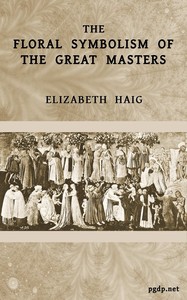
The floral symbolism of the great masters by Elizabeth Haig
Elizabeth Haig's The Floral Symbolism of the Great Masters is a guidebook to a secret language hiding in plain sight. Instead of focusing on brushstrokes or composition, Haig trains your eye on the bouquets, single stems, and background blossoms in famous paintings. She explains that for centuries, flowers weren't just pretty decorations; they were packed with meaning. A lily wasn't just a lily—it was a symbol of the Virgin Mary's purity. A red carnation could signal a engagement, while a wilted rose might hint at lost love or the fleeting nature of life.
The Story
There isn't a traditional plot, but there is a fascinating journey. Haig takes you through different eras of art, showing how floral symbolism evolved. You'll see how medieval artists used simple, clear symbols for religious teaching. Then, you'll move into the Renaissance, where meanings became more complex and personal, often tied to Greek and Roman myths. Finally, you'll explore the Romantic period, where flowers expressed intense emotion. Each chapter focuses on different flowers or themes, using specific paintings as examples. It's like a series of detective stories, where Haig presents the painting, points out the floral evidence, and reveals what the artist was really saying.
Why You Should Read It
This book completely changes how you see art. It gives you a new tool for understanding. Before reading it, a portrait might just be a person in fancy clothes. Afterward, you notice the sprig of rosemary in their hand (for remembrance) or the ivy climbing the column (for fidelity). It turns passive looking into active discovery. My favorite part was learning about the subtle, sometimes subversive, messages. An artist could critique a powerful patron or express a forbidden sentiment just by including the "wrong" flower. It adds a layer of intrigue and humanity to these iconic works.
Final Verdict
This is a perfect book for curious museum-goers, gardeners with an interest in history, or anyone who loves a good puzzle. If you've ever felt a little intimidated by classic art, this is your friendly entry point. It's not for hardcore academics looking for heavy theory, but for everyday readers who want to deepen their appreciation. Keep it on your shelf and take it with you on your next gallery trip—you'll be surprised by how much more you see.
This work has been identified as being free of known copyright restrictions. Feel free to use it for personal or commercial purposes.
Kimberly Brown
2 years agoRight from the opening paragraph, the transition between theoretical knowledge and practical application is seamless. This is a solid reference for both beginners and experts.
James White
10 months agoI've been looking for a reliable source on this topic, and the chapter on advanced strategies offers insights I haven't seen elsewhere. It cleared up a lot of the confusion I had previously.
Jessica Gonzalez
1 year agoA must-have for graduate-level students in this discipline.
Mary Harris
5 months agoThe layout is perfect for tablet and e-reader devices.




Donald Lopez
5 months agoHaving read the author's previous works, the level of detail in the second half of the book is truly impressive. It definitely lives up to the reputation of the publisher.