L
Liam Prescott
Guest
- Thread Author
- #1
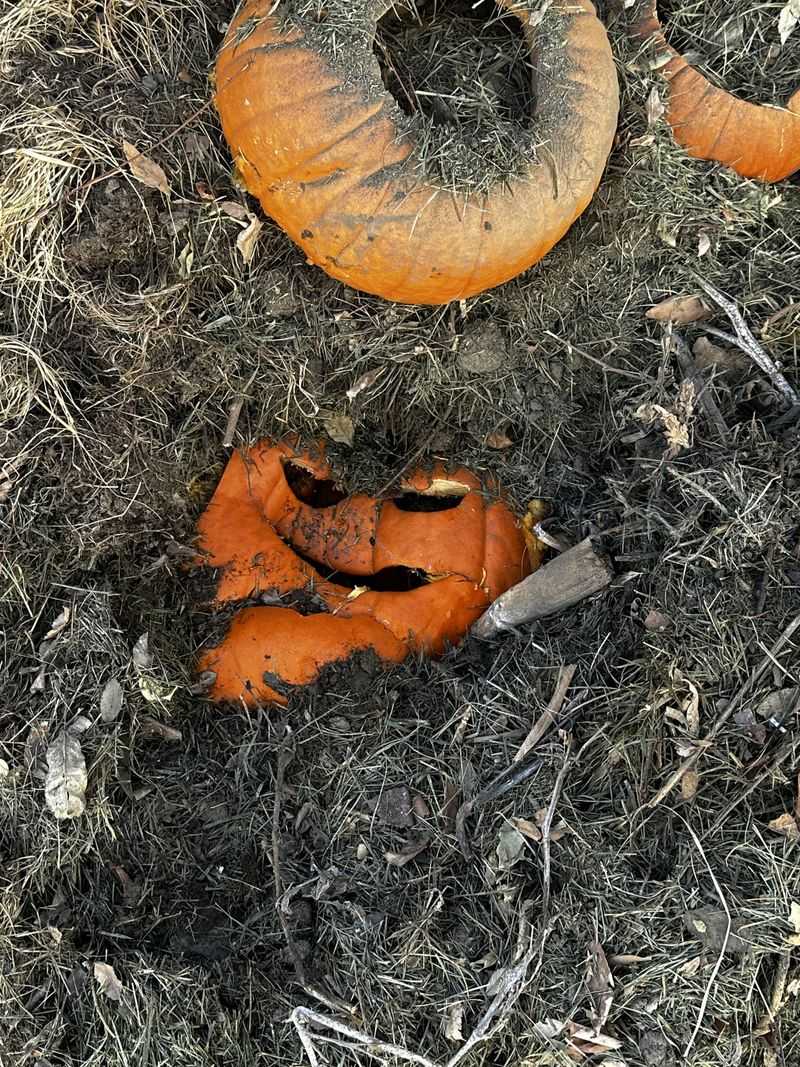
That grinning decoration on your porch is about ninety percent water, so it slumps quickly once the carving starts. In a few warm Missouri afternoons, mold appears because all that moisture feeds fungi and bacteria very fast.
I like that the same soggy breakdown makes it one of the easiest things you can return to soil. Its seeds are tougher, though, and they often survive a home compost pile to sprout the following summer.
Timing works in your favor here, since much of Missouri keeps unfrozen ground well into November or December. That means you still have weeks to dig, bury, and feed empty beds before winter settles in.
I believe the best part comes later, when you pull back mulch in spring and find darker, crumbly soil. Who knew a Halloween grin could quietly keep working for your tomatoes long after the candy wrappers disappear?
© Reddit
Your carved pumpkin is a great compost ingredient, because its soft flesh breaks down quickly in a pile. University of Missouri Extension lists fruit and vegetable scraps as green materials that add nitrogen to compost.
Pumpkins also carry potassium and other nutrients, and those minerals return to the soil as the flesh rots. Finished compost improves heavy Missouri clay by loosening it, and it helps sandy soil hold more water.
Balance matters, though, because a pile made mostly of wet pumpkin can turn slimy and smell sour. Extension guides suggest mixing greens with browns, such as dry leaves, straw, or shredded cardboard, for airflow.
Luckily, October in Missouri drops plenty of oak and maple leaves right when your pumpkins need a partner. A common rule of thumb is roughly two or three parts browns for every one part greens.
Smash or chop the pumpkin, bury it in the middle of the pile, and cover it with leaves. Burying the pieces keeps fruit flies down and helps hold heat where the microbes do their best work.
Painted or glittered pumpkins are a different story, since paint and glitter add plastics you do not want. Keep those decorated ones out of the bin and compost only plain, carved, or uncut pumpkins and gourds.
Expect the flesh to break down within a few weeks to a couple of months, while the tougher rind and stem take much longer. By spring, a well-mixed pile should offer dark compost ready to spread around your new transplants.
© Farmers’ Almanac
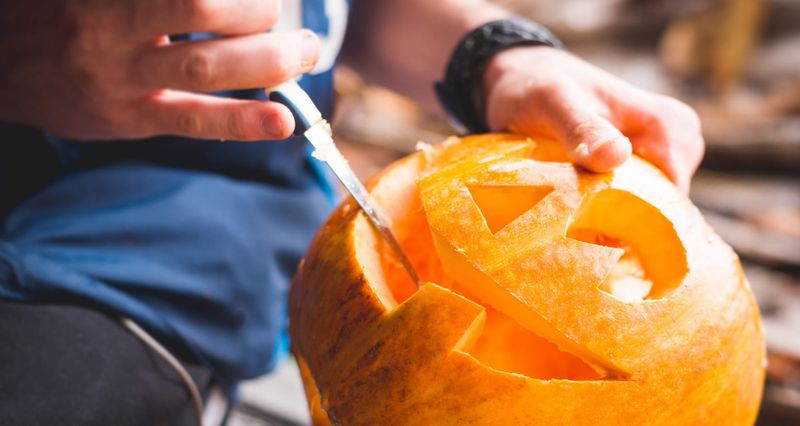
Before your pumpkin goes anywhere near the garden, take a few minutes to clean out the candle mess. Paraffin wax comes from petroleum, and soil microbes break it down very slowly compared with pumpkin flesh.
Little wax drips may linger in compost for years, showing up as pale flakes in your finished soil. Scrape the inside with a spoon or butter knife, cutting away any flesh that soaked up melted wax.
A little extra trimming is better than sending stubborn wax into the bed where your carrots will grow. Wax that hardened on the pumpkin floor often pops off cleanly if you chill the pumpkin first overnight.
Cool October nights on a Missouri porch usually firm up the wax enough for an easy morning scrape. Remember to look for other extras too, such as metal tea light cups, toothpicks, and plastic stickers.
Battery candles make the job easier, and many families switch to them for safety around costumes anyway. If you used one, simply pull it out, save it for next year, and move straight to composting.
Soy and beeswax candles are plant or insect based, but they still break down slower than fresh scraps. Treat any candle residue the same way, trimming it off and tossing it in the regular trash bin.
Check for heavy mold as well, since fuzzy patches are fine for compost but unpleasant to handle bare-handed. Slip on gloves, finish the cleanup, and your pumpkin is ready for the next step toward the soil.
© Carry on Composting
Ever tossed a whole pumpkin onto a compost pile, then found it sitting there a month later, barely changed? That thick rind acts like a shell, keeping microbes on the outside while the inside stays mostly intact.
Compost microbes work on surfaces, so cutting a pumpkin into pieces gives them far more places to feed. Extension composting guides often recommend chopping scraps into pieces about one to two inches across for speed.
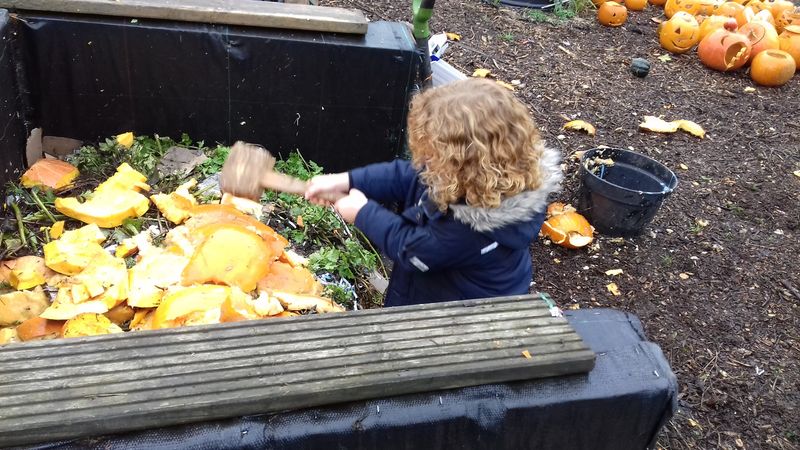
A sturdy shovel works well, and some families turn the job into a fun pumpkin smash with kids. Pumpkin smash events, where neighbors drop off jack-o’-lanterns for community composting, have popped up in many U.S. towns.
Check with your city or county, since some Missouri areas offer November yard waste pickup that accepts pumpkins. At home, a simple drop onto a tarp splits the rind, and a shovel finishes the rest quickly.
Keep the stem aside or break it up, because that woody piece is the slowest part to soften. Smaller chunks also mix more evenly with leaves, which keeps the pile from forming soggy, airless pockets inside.
Turning the pile every week or two adds oxygen, and oxygen helps the helpful microbes work much faster. As Missouri weather cools, activity in the pile slows, so a head start in October really pays off.
A larger pile, around three feet on each side, holds heat better through chilly November and December nights. Do the chopping now, and those orange pieces will likely blend into the pile before the first snow.
© Reddit
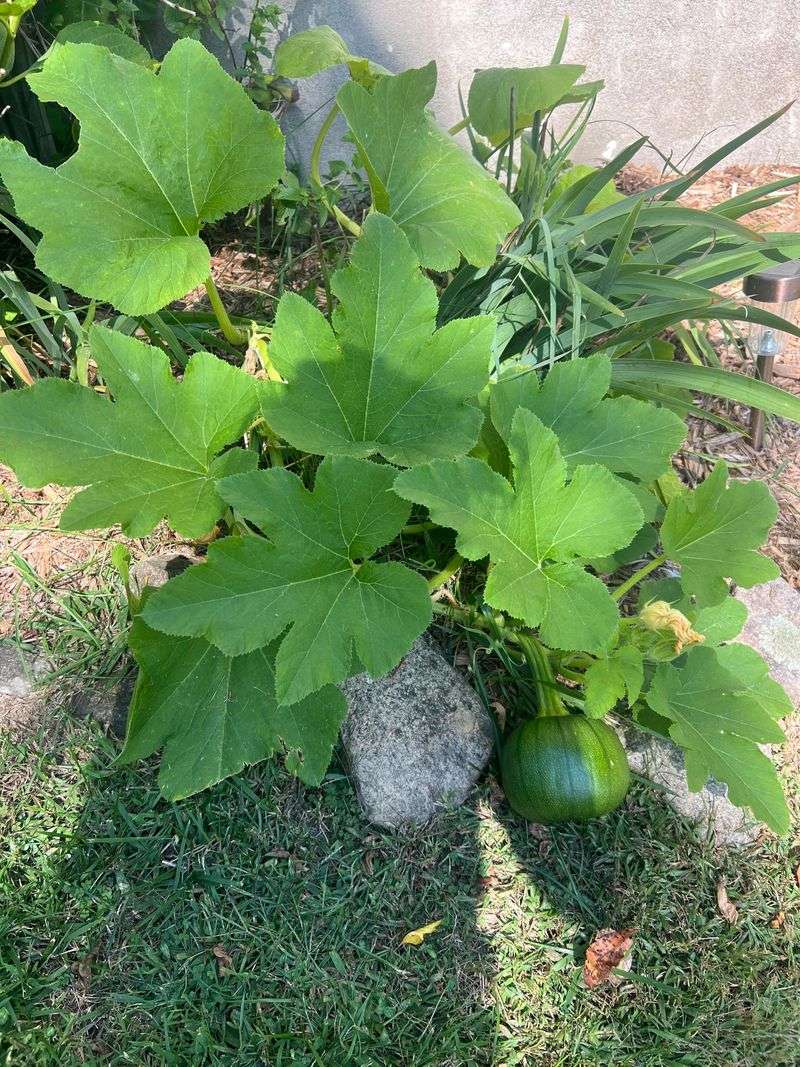
Plenty of gardeners have spotted a mystery vine sprawling from the compost bin in July and laughed out loud. That surprise usually traces back to last October, when a few pumpkin seeds slipped in with the flesh.
Home compost piles often stay cooler than the 130 to 150 degrees needed to keep seeds from sprouting. Pumpkin seeds have a tough coat, so many of them sit quietly through winter and wake in spring.
Some gardeners welcome these volunteers, but the results can be unpredictable because pumpkins cross-pollinate easily with relatives. If your carving pumpkin came from a field with other squash, its seeds may grow oddly shaped fruit.
Hybrid varieties also rarely grow true from seed, so the next generation might look nothing like the parent. Volunteer vines can also sprawl ten feet or more, crowding peppers and beans in a small garden.
To avoid surprises, scoop out the seeds before composting and set them aside for roasting or the birds. If you enjoy a little mystery, leave a handful in and see what pops up next June.
Seedlings are easy to pull while small, since their broad first leaves stand out among other sprouts. Keep in mind that squash vine borers and squash bugs are common in Missouri, even on volunteer plants.
Letting a stray vine grow could give those pests an extra home near your planned zucchini or winter squash. Either choice is fine, as long as you decide on purpose instead of letting the compost pile decide.
© The Rike
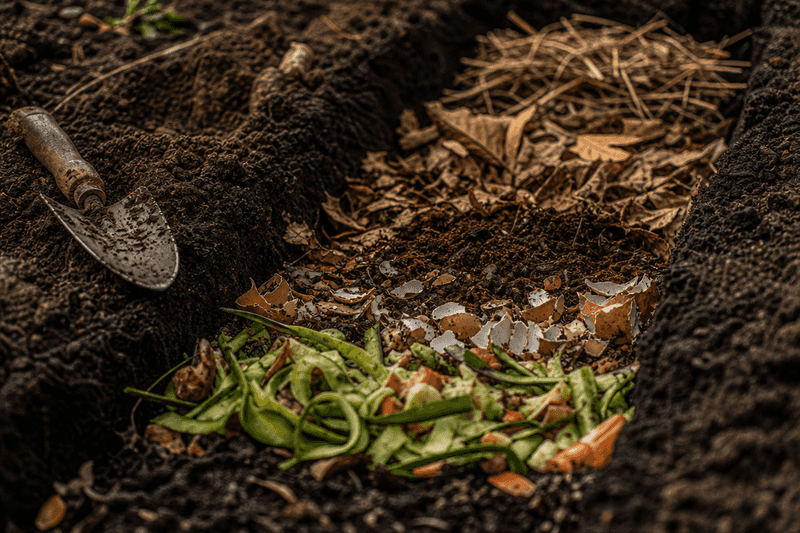
Gardeners without a compost bin can still recycle pumpkins by burying them right in an empty vegetable bed. This method is called trench composting, and many extension services describe it as a simple fall project.
Dig a trench about twelve to sixteen inches deep, which keeps the scraps away from curious dogs and raccoons. Chop the pumpkin into chunks, drop them in, and cover them with at least eight inches of soil.
Soil organisms, including earthworms, slowly break the pieces down over the cold months right where roots will grow. In Missouri, October and November usually offer workable ground, since hard freezes rarely lock up soil this early.
Pick a bed that will hold heavy feeders next year, such as tomatoes, squash, or sweet corn. Mark the spot with a stake so you remember where the buried pumpkin sits when spring planting begins.
By April, most of the soft flesh should be gone, though bits of rind may still turn up. Scoop out the seeds before burying, or you may find a patch of pumpkin seedlings among your lettuce.
A layer of shredded leaves on top helps protect the soil from erosion during winter rain and snowmelt. Mulch also feeds worms, which pull organic matter downward and leave tiny tunnels that let water soak in.
Trenching works for raised beds too, as long as the bed is deep enough to bury scraps fully. One pumpkin will not transform a bed alone, but several years of trenching steadily builds richer, darker soil.
© natureswaybirds
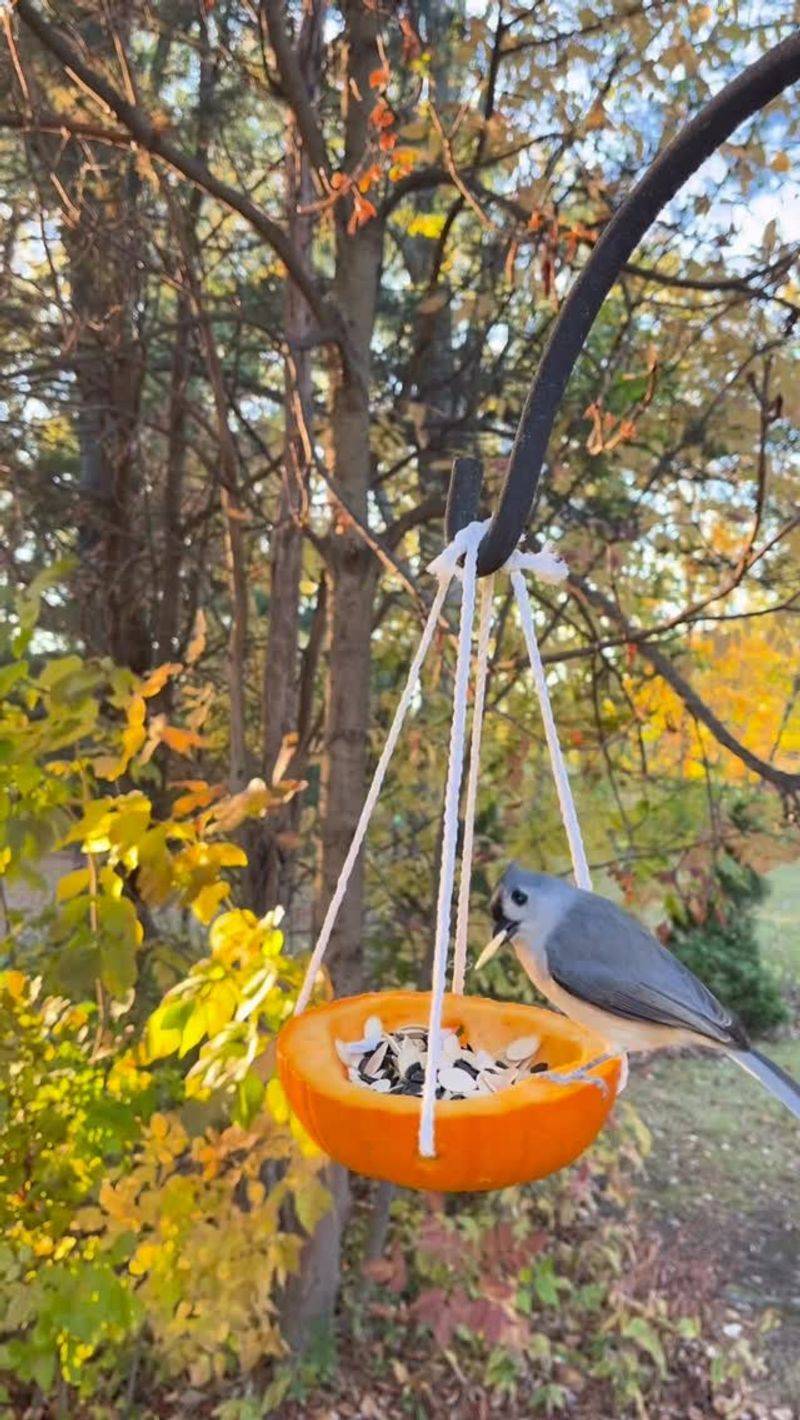
Cardinals, chickadees, and nuthatches spend the whole Missouri winter here, and they appreciate an easy, high-energy snack. Pumpkin seeds are packed with fat and protein, which helps small birds stay warm on frosty nights.
Rinse the seeds to remove stringy pulp, then spread them on a baking sheet to dry overnight. Roast them plain at a low oven temperature, around 300 degrees, until they feel dry and crisp.
Skip the salt, butter, and seasonings, since bird experts warn that salty foods are not healthy for songbirds. Roasting also keeps seeds from sprouting under the feeder, which saves you from pulling stray vines next summer.
Blue jays can handle whole seeds, while smaller birds like chickadees and nuthatches prefer them chopped. A quick pulse in a food processor, or a rolling pin over a bag, breaks them into bits.
Offer the seeds on a platform feeder or mix them with sunflower seeds in a hopper feeder. Put out only what birds finish in a day or two, because damp seeds can grow mold quickly.
Store extra roasted seeds in a sealed jar in a cool cupboard, and they should last for weeks. That way, you can stretch one pumpkin’s harvest into January, when natural seed supplies run lower for birds.
Clean feeders now and then with a mild bleach solution, as wildlife agencies suggest, to reduce disease spread. I love that one jack-o’-lantern can feed the soil, the compost pile, and a flock of winter visitors.
The post Your Jack-O’-Lantern Can Feed Your Missouri Garden After Halloween appeared first on Positivebloom.
I like that the same soggy breakdown makes it one of the easiest things you can return to soil. Its seeds are tougher, though, and they often survive a home compost pile to sprout the following summer.
Timing works in your favor here, since much of Missouri keeps unfrozen ground well into November or December. That means you still have weeks to dig, bury, and feed empty beds before winter settles in.
I believe the best part comes later, when you pull back mulch in spring and find darker, crumbly soil. Who knew a Halloween grin could quietly keep working for your tomatoes long after the candy wrappers disappear?
Soft Orange Flesh That Turns Into Rich Compost
Your carved pumpkin is a great compost ingredient, because its soft flesh breaks down quickly in a pile. University of Missouri Extension lists fruit and vegetable scraps as green materials that add nitrogen to compost.
Pumpkins also carry potassium and other nutrients, and those minerals return to the soil as the flesh rots. Finished compost improves heavy Missouri clay by loosening it, and it helps sandy soil hold more water.
Balance matters, though, because a pile made mostly of wet pumpkin can turn slimy and smell sour. Extension guides suggest mixing greens with browns, such as dry leaves, straw, or shredded cardboard, for airflow.
Luckily, October in Missouri drops plenty of oak and maple leaves right when your pumpkins need a partner. A common rule of thumb is roughly two or three parts browns for every one part greens.
Smash or chop the pumpkin, bury it in the middle of the pile, and cover it with leaves. Burying the pieces keeps fruit flies down and helps hold heat where the microbes do their best work.
Painted or glittered pumpkins are a different story, since paint and glitter add plastics you do not want. Keep those decorated ones out of the bin and compost only plain, carved, or uncut pumpkins and gourds.
Expect the flesh to break down within a few weeks to a couple of months, while the tougher rind and stem take much longer. By spring, a well-mixed pile should offer dark compost ready to spread around your new transplants.
Candle Wax Comes Off Before Anything Else
© Farmers’ Almanac
Before your pumpkin goes anywhere near the garden, take a few minutes to clean out the candle mess. Paraffin wax comes from petroleum, and soil microbes break it down very slowly compared with pumpkin flesh.
Little wax drips may linger in compost for years, showing up as pale flakes in your finished soil. Scrape the inside with a spoon or butter knife, cutting away any flesh that soaked up melted wax.
A little extra trimming is better than sending stubborn wax into the bed where your carrots will grow. Wax that hardened on the pumpkin floor often pops off cleanly if you chill the pumpkin first overnight.
Cool October nights on a Missouri porch usually firm up the wax enough for an easy morning scrape. Remember to look for other extras too, such as metal tea light cups, toothpicks, and plastic stickers.
Battery candles make the job easier, and many families switch to them for safety around costumes anyway. If you used one, simply pull it out, save it for next year, and move straight to composting.
Soy and beeswax candles are plant or insect based, but they still break down slower than fresh scraps. Treat any candle residue the same way, trimming it off and tossing it in the regular trash bin.
Check for heavy mold as well, since fuzzy patches are fine for compost but unpleasant to handle bare-handed. Slip on gloves, finish the cleanup, and your pumpkin is ready for the next step toward the soil.
Smaller Chunks Break Down Much Faster
© Carry on Composting
Ever tossed a whole pumpkin onto a compost pile, then found it sitting there a month later, barely changed? That thick rind acts like a shell, keeping microbes on the outside while the inside stays mostly intact.
Compost microbes work on surfaces, so cutting a pumpkin into pieces gives them far more places to feed. Extension composting guides often recommend chopping scraps into pieces about one to two inches across for speed.
A sturdy shovel works well, and some families turn the job into a fun pumpkin smash with kids. Pumpkin smash events, where neighbors drop off jack-o’-lanterns for community composting, have popped up in many U.S. towns.
Check with your city or county, since some Missouri areas offer November yard waste pickup that accepts pumpkins. At home, a simple drop onto a tarp splits the rind, and a shovel finishes the rest quickly.
Keep the stem aside or break it up, because that woody piece is the slowest part to soften. Smaller chunks also mix more evenly with leaves, which keeps the pile from forming soggy, airless pockets inside.
Turning the pile every week or two adds oxygen, and oxygen helps the helpful microbes work much faster. As Missouri weather cools, activity in the pile slows, so a head start in October really pays off.
A larger pile, around three feet on each side, holds heat better through chilly November and December nights. Do the chopping now, and those orange pieces will likely blend into the pile before the first snow.
Leftover Seeds Can Sprout Surprise Vines Next Summer
Plenty of gardeners have spotted a mystery vine sprawling from the compost bin in July and laughed out loud. That surprise usually traces back to last October, when a few pumpkin seeds slipped in with the flesh.
Home compost piles often stay cooler than the 130 to 150 degrees needed to keep seeds from sprouting. Pumpkin seeds have a tough coat, so many of them sit quietly through winter and wake in spring.
Some gardeners welcome these volunteers, but the results can be unpredictable because pumpkins cross-pollinate easily with relatives. If your carving pumpkin came from a field with other squash, its seeds may grow oddly shaped fruit.
Hybrid varieties also rarely grow true from seed, so the next generation might look nothing like the parent. Volunteer vines can also sprawl ten feet or more, crowding peppers and beans in a small garden.
To avoid surprises, scoop out the seeds before composting and set them aside for roasting or the birds. If you enjoy a little mystery, leave a handful in and see what pops up next June.
Seedlings are easy to pull while small, since their broad first leaves stand out among other sprouts. Keep in mind that squash vine borers and squash bugs are common in Missouri, even on volunteer plants.
Letting a stray vine grow could give those pests an extra home near your planned zucchini or winter squash. Either choice is fine, as long as you decide on purpose instead of letting the compost pile decide.
A Shallow Trench Inside Empty Vegetable Beds
© The Rike
Gardeners without a compost bin can still recycle pumpkins by burying them right in an empty vegetable bed. This method is called trench composting, and many extension services describe it as a simple fall project.
Dig a trench about twelve to sixteen inches deep, which keeps the scraps away from curious dogs and raccoons. Chop the pumpkin into chunks, drop them in, and cover them with at least eight inches of soil.
Soil organisms, including earthworms, slowly break the pieces down over the cold months right where roots will grow. In Missouri, October and November usually offer workable ground, since hard freezes rarely lock up soil this early.
Pick a bed that will hold heavy feeders next year, such as tomatoes, squash, or sweet corn. Mark the spot with a stake so you remember where the buried pumpkin sits when spring planting begins.
By April, most of the soft flesh should be gone, though bits of rind may still turn up. Scoop out the seeds before burying, or you may find a patch of pumpkin seedlings among your lettuce.
A layer of shredded leaves on top helps protect the soil from erosion during winter rain and snowmelt. Mulch also feeds worms, which pull organic matter downward and leave tiny tunnels that let water soak in.
Trenching works for raised beds too, as long as the bed is deep enough to bury scraps fully. One pumpkin will not transform a bed alone, but several years of trenching steadily builds richer, darker soil.
Roasted Seeds Make A Winter Treat For Backyard Birds
© natureswaybirds
Cardinals, chickadees, and nuthatches spend the whole Missouri winter here, and they appreciate an easy, high-energy snack. Pumpkin seeds are packed with fat and protein, which helps small birds stay warm on frosty nights.
Rinse the seeds to remove stringy pulp, then spread them on a baking sheet to dry overnight. Roast them plain at a low oven temperature, around 300 degrees, until they feel dry and crisp.
Skip the salt, butter, and seasonings, since bird experts warn that salty foods are not healthy for songbirds. Roasting also keeps seeds from sprouting under the feeder, which saves you from pulling stray vines next summer.
Blue jays can handle whole seeds, while smaller birds like chickadees and nuthatches prefer them chopped. A quick pulse in a food processor, or a rolling pin over a bag, breaks them into bits.
Offer the seeds on a platform feeder or mix them with sunflower seeds in a hopper feeder. Put out only what birds finish in a day or two, because damp seeds can grow mold quickly.
Store extra roasted seeds in a sealed jar in a cool cupboard, and they should last for weeks. That way, you can stretch one pumpkin’s harvest into January, when natural seed supplies run lower for birds.
Clean feeders now and then with a mild bleach solution, as wildlife agencies suggest, to reduce disease spread. I love that one jack-o’-lantern can feed the soil, the compost pile, and a flock of winter visitors.
The post Your Jack-O’-Lantern Can Feed Your Missouri Garden After Halloween appeared first on Positivebloom.