C
Callista Fenn
Guest
- Thread Author
- #1
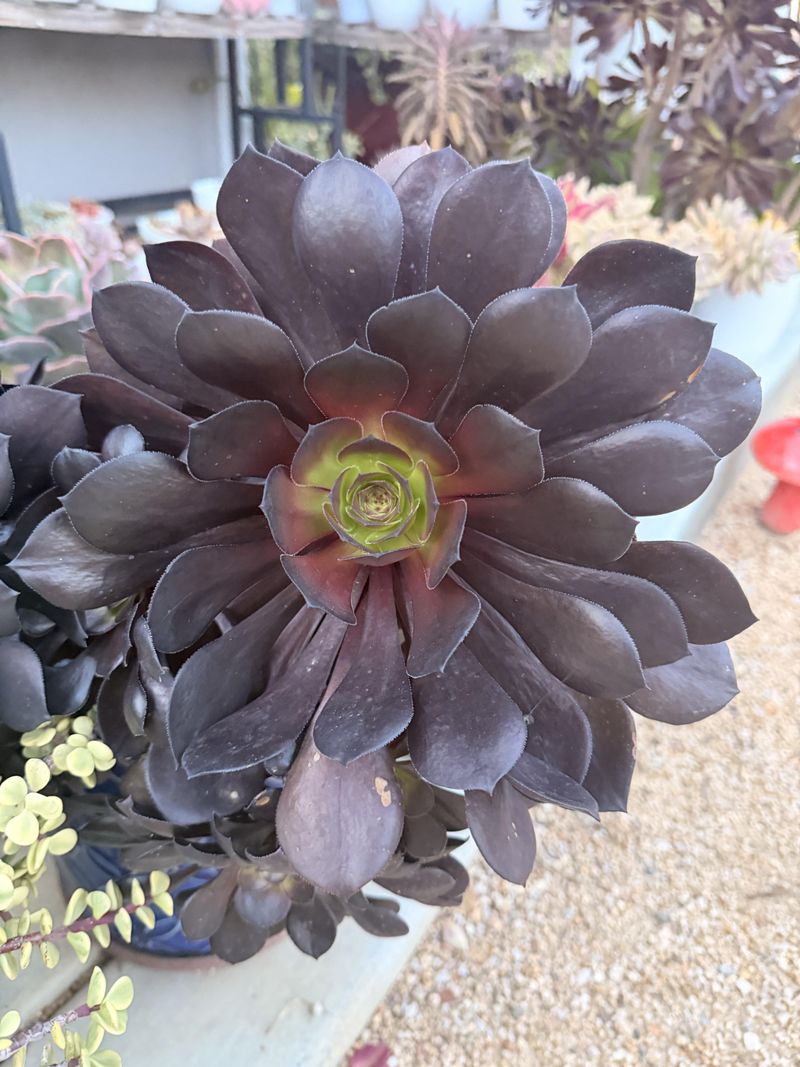
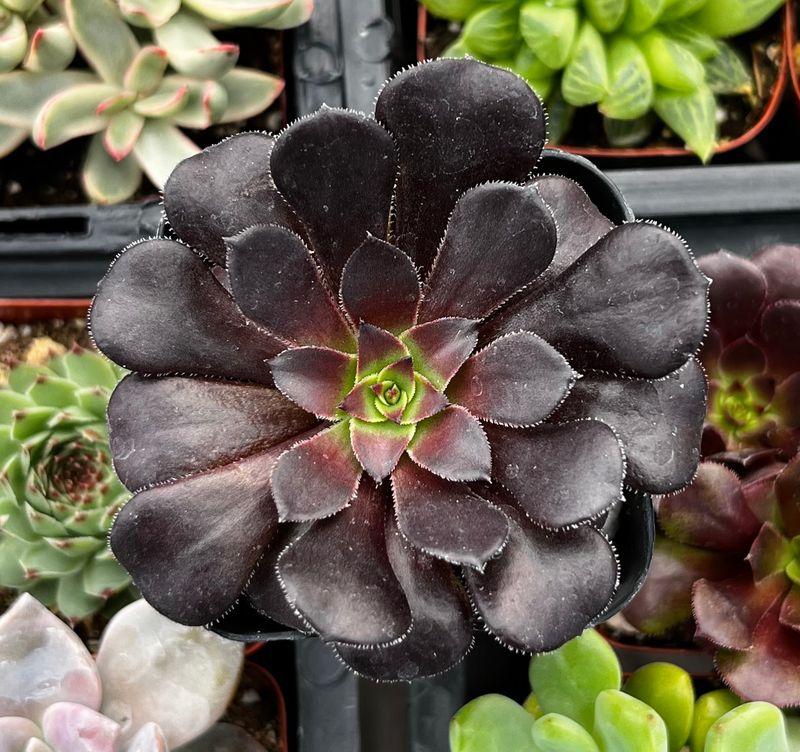
One rosette can turn nearly black under strong California sun, with leaves in deep burgundy and glossy purple. I love the glossy shine on each leaf, especially in the soft light of early morning.
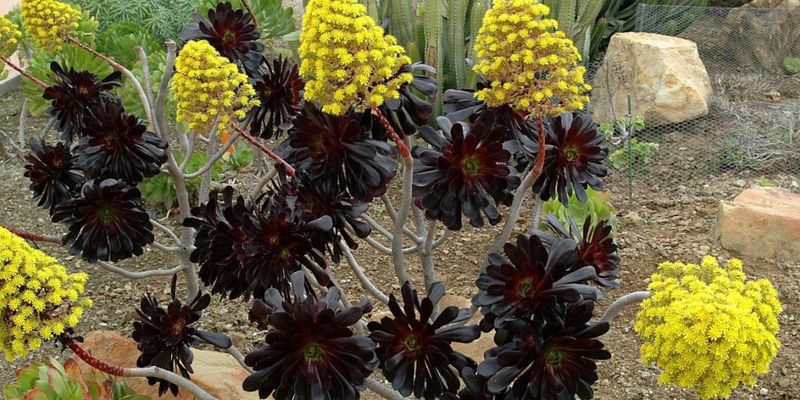
It grows on tall, bare stems, and they rise above the soil like little trees. A mature plant can reach about three feet tall, and its branches turn one pot into a moody little forest.
October is my favorite month for it in California gardens, with cooler weather and richer shades. Mild winters along the coast let it stay outside for most of the year, long after Halloween.
You need to see one beside an orange pumpkin near the front steps for a bold contrast. Which dark beauty am I talking about, and do you already grow one?
© Reddit
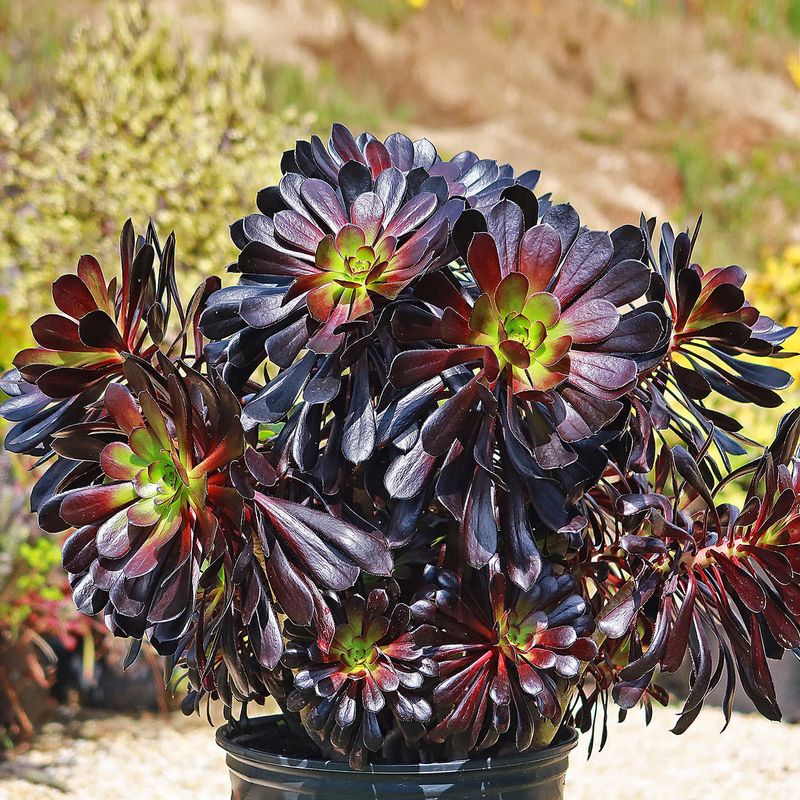
Aeonium arboreum ‘Zwartkop’ is the answer, and it carries a name that sounds made for October. The name means black head in Dutch, which suits those dark rosettes perfectly.
The deep color comes from natural pigments that protect the leaves from strong sunlight. Plants that get plenty of light usually show the darkest shades.
Aeoniums are native to the Canary Islands, so they like a Mediterranean climate much like California’s. That is why they settle in so well along the coast and in many mild inland gardens.
Each stem ends in a flat rosette that resembles a dark flower. Branches form over time and give the plant a full, layered shape.
Fall is a lovely season to enjoy it, since the rosettes open wider when moisture returns. Even a single pot makes a strong statement on a porch or patio.
Neighbors often stop to ask what it is, so keep a plant tag handy. It also gives you an easy reason to start a friendly garden chat.
Zwartkop pairs well with silver or pale green succulents. Silver echeveria and pale green sedum make its dark leaves look even deeper.
Try three pots in different heights for a layered display that feels planned yet relaxed. Group them close together so the colors read as one scene from the sidewalk.
Choose neutral pot colors such as gray or sand. They keep the attention on the dark rosettes.
© Planet Desert
Light has a big effect on color with this plant. Give it several hours of direct sun and the leaves often turn deep maroon, while plants kept in shade tend to fade to dull green.
Morning sun is the sweet spot in most of California. Gentle early light builds color without scorching the leaves.
Hot afternoon rays in inland valleys can cause brown crispy edges. A bit of afternoon shade helps there, especially during the warmest weeks of the year.
October brings softer light, which makes this a good time to move pots around. Shift a green-looking plant to a brighter spot and watch it change over a few weeks.
Turn the pot a quarter turn each week so every side gets even color. This simple habit also keeps the rosettes growing evenly instead of leaning to one side.
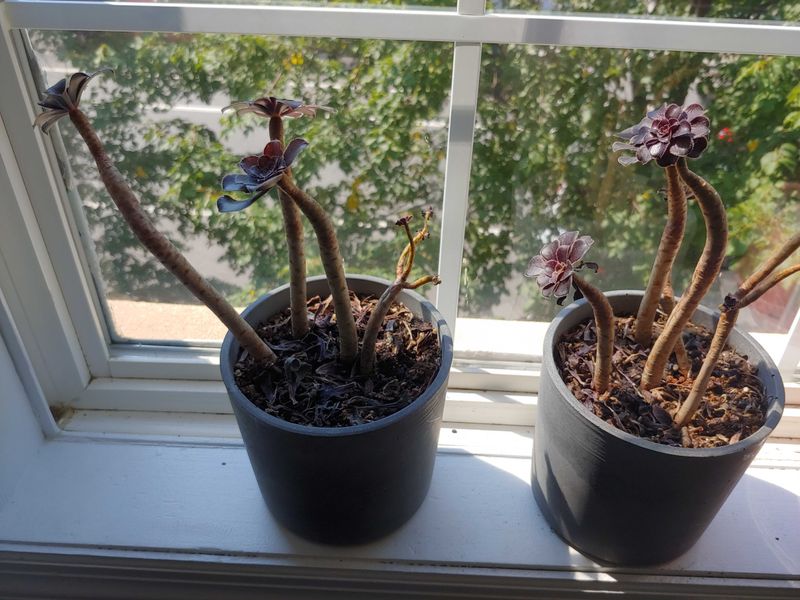
Indoors, a south or west window works best. Without enough light the stems stretch and lean toward the glass.
That stretching is called etiolation, and it makes the plant look thin and floppy. A plant that stretches usually needs a brighter spot or a fresh start from cuttings.
If your plant has already stretched, you can fix it. Cut the stem below the rosette and let the cut end dry for several days.
Then set it on dry succulent mix and wait patiently. New roots usually form in a few weeks, and the cutting soon starts a compact new plant.
© Planet Desert
Heavy wet soil is a common problem for most succulents. Aeoniums have shallow roots that sit badly in soggy ground, so drainage matters from the very first day.
Root rot often shows up as mushy black stems at the base. If you spot it early, cut away the damaged part and let the healthy stem dry before replanting.
A gritty cactus mix solves much of this problem. Blend in pumice or coarse sand to help water drain quickly.
Many California gardeners also like terracotta, since the clay lets moisture escape through its walls. These pots dry faster than glazed ones, which suits a plant that dislikes wet roots.
Try to pick a pot with a drainage hole. Decorative containers without holes can trap water at the bottom.
If you love a spooky cauldron or a carved planter, set a plain nursery pot inside it. You can lift the pot out for watering and let it drain fully before it goes back.
In the ground, choose a raised mound or a sloped bed. Rain can pool in flat spots and linger around the roots.
Fall storms may arrive soon, so check drainage before they do. A quick test is to fill the planting hole with water and see how fast it empties.
Fresh potting is best done in cool weather. Plants settle in without heat stress, and it helps to wait a week before watering after repotting so any damaged roots can heal.
© Reddit
Aeoniums follow an unusual calendar. Many of them rest in hot summer and grow most in cool, damp months.
That makes autumn the time they wake up and want more water. Rosettes that looked tight and closed in summer often start to open again.
Water deeply, then let the soil dry before the next drink. Poke a finger two inches into the soil to check, and give the pot a good soak if it feels dry.
Pour water at the base rather than over the rosette. Droplets trapped between leaves can cause spotting or rot.
Morning watering lets any splashes dry during the day and keeps the leaves healthy. Empty the saucer afterward so the roots never sit in standing water.
In October a weekly or twice-monthly schedule often fits, depending on your weather. Coastal fog adds moisture, so you may water less there.
Inland gardens with dry winds usually need a little more. Check the soil often during warm, breezy spells.
Wrinkled, curling leaves often signal thirst. Yellow, soft leaves can suggest too much water.
Watch the plant and adjust, because it will tell you what it needs. A short check every few days beats a strict calendar, especially when the weather swings between warm and cool.
Lower leaves naturally shrivel as the stem grows taller. Pull them off gently to keep the plant tidy and to stop debris from collecting around the base.

© Reddit
Dark foliage looks fantastic with fall props. Set a black aeonium beside a pale pumpkin and the leaves seem to glow.
Orange, cream, and sage green make good partners. These colors let the deep purple stand out without crowding it.
Try a mossy bowl or an old wooden crate as a base. Tuck the pot in, then add a few gourds around it.
You can lift the whole arrangement indoors when guests arrive. A pot in a crate is also easy to move if a cold night or a windy day shows up.
Height matters in a display. Set the tall aeonium at the back and smaller succulents in front.
A silver echeveria or a green jade plant adds light contrast. Keep the smaller plants close together so the whole group looks full and balanced.
Candles in lanterns add mood in the evening. Use battery lights near plants, since open flames and dry leaves are a poor mix.
Warm light brings out the purple tones in the leaves. Place the lights low to the ground so the glow rises gently through the rosettes.
After Halloween, the plant keeps going. Pumpkins fade, but your aeonium stays a handsome feature of the garden.
That makes it a smart buy rather than a one-night decoration. Take a few photos each month to track how the color deepens as the light changes.
© Ramsey Succulents
Aeoniums enjoy cool weather but dislike hard frost. Protection makes sense when temperatures drop near freezing.
Most coastal gardens stay safe, while inland and foothill areas can see cold snaps. Check your local forecast on clear nights, since those tend to run colder.
Potted plants are easy to move. Slide them under a porch roof or against a warm south wall.
Even a few feet of shelter can lower frost risk. A covered spot near the house often stays several degrees warmer than open ground.
For plants in the ground, drape frost cloth over them on cold evenings. Remove it in the morning so light and air can reach the leaves.
Avoid plastic sheets touching the foliage, since they can cause damage. Use stakes to hold the cloth above the leaves if needed.
Heat is a risk too. Warm Santa Ana wind days can stress plants even in October.
Move pots to bright shade and water a little more during those spells. Check the soil before watering so it never turns soggy.
Keep an eye on pests such as mealybugs, which look like tiny cotton tufts. Dab them with a cotton swab dipped in soapy water, or rinse them off with a gentle stream of water.
Early action keeps the rosettes clean and healthy all season. Propagate a few cuttings each year as a cheap backup, and they make nice gifts too.
The post The Black Succulent California Gardeners Plant For Instant Halloween Drama appeared first on Positivebloom.
It grows on tall, bare stems, and they rise above the soil like little trees. A mature plant can reach about three feet tall, and its branches turn one pot into a moody little forest.
October is my favorite month for it in California gardens, with cooler weather and richer shades. Mild winters along the coast let it stay outside for most of the year, long after Halloween.
You need to see one beside an orange pumpkin near the front steps for a bold contrast. Which dark beauty am I talking about, and do you already grow one?
The Black Rose Aeonium Steals The Show
Aeonium arboreum ‘Zwartkop’ is the answer, and it carries a name that sounds made for October. The name means black head in Dutch, which suits those dark rosettes perfectly.
The deep color comes from natural pigments that protect the leaves from strong sunlight. Plants that get plenty of light usually show the darkest shades.
Aeoniums are native to the Canary Islands, so they like a Mediterranean climate much like California’s. That is why they settle in so well along the coast and in many mild inland gardens.
Each stem ends in a flat rosette that resembles a dark flower. Branches form over time and give the plant a full, layered shape.
Fall is a lovely season to enjoy it, since the rosettes open wider when moisture returns. Even a single pot makes a strong statement on a porch or patio.
Neighbors often stop to ask what it is, so keep a plant tag handy. It also gives you an easy reason to start a friendly garden chat.
Zwartkop pairs well with silver or pale green succulents. Silver echeveria and pale green sedum make its dark leaves look even deeper.
Try three pots in different heights for a layered display that feels planned yet relaxed. Group them close together so the colors read as one scene from the sidewalk.
Choose neutral pot colors such as gray or sand. They keep the attention on the dark rosettes.
Sunlight Decides How Dark It Gets
© Planet Desert
Light has a big effect on color with this plant. Give it several hours of direct sun and the leaves often turn deep maroon, while plants kept in shade tend to fade to dull green.
Morning sun is the sweet spot in most of California. Gentle early light builds color without scorching the leaves.
Hot afternoon rays in inland valleys can cause brown crispy edges. A bit of afternoon shade helps there, especially during the warmest weeks of the year.
October brings softer light, which makes this a good time to move pots around. Shift a green-looking plant to a brighter spot and watch it change over a few weeks.
Turn the pot a quarter turn each week so every side gets even color. This simple habit also keeps the rosettes growing evenly instead of leaning to one side.
Indoors, a south or west window works best. Without enough light the stems stretch and lean toward the glass.
That stretching is called etiolation, and it makes the plant look thin and floppy. A plant that stretches usually needs a brighter spot or a fresh start from cuttings.
If your plant has already stretched, you can fix it. Cut the stem below the rosette and let the cut end dry for several days.
Then set it on dry succulent mix and wait patiently. New roots usually form in a few weeks, and the cutting soon starts a compact new plant.
Soil Mistakes Can Spoil The Drama
© Planet Desert
Heavy wet soil is a common problem for most succulents. Aeoniums have shallow roots that sit badly in soggy ground, so drainage matters from the very first day.
Root rot often shows up as mushy black stems at the base. If you spot it early, cut away the damaged part and let the healthy stem dry before replanting.
A gritty cactus mix solves much of this problem. Blend in pumice or coarse sand to help water drain quickly.
Many California gardeners also like terracotta, since the clay lets moisture escape through its walls. These pots dry faster than glazed ones, which suits a plant that dislikes wet roots.
Try to pick a pot with a drainage hole. Decorative containers without holes can trap water at the bottom.
If you love a spooky cauldron or a carved planter, set a plain nursery pot inside it. You can lift the pot out for watering and let it drain fully before it goes back.
In the ground, choose a raised mound or a sloped bed. Rain can pool in flat spots and linger around the roots.
Fall storms may arrive soon, so check drainage before they do. A quick test is to fill the planting hole with water and see how fast it empties.
Fresh potting is best done in cool weather. Plants settle in without heat stress, and it helps to wait a week before watering after repotting so any damaged roots can heal.
A Smart Watering Rhythm For Fall
Aeoniums follow an unusual calendar. Many of them rest in hot summer and grow most in cool, damp months.
That makes autumn the time they wake up and want more water. Rosettes that looked tight and closed in summer often start to open again.
Water deeply, then let the soil dry before the next drink. Poke a finger two inches into the soil to check, and give the pot a good soak if it feels dry.
Pour water at the base rather than over the rosette. Droplets trapped between leaves can cause spotting or rot.
Morning watering lets any splashes dry during the day and keeps the leaves healthy. Empty the saucer afterward so the roots never sit in standing water.
In October a weekly or twice-monthly schedule often fits, depending on your weather. Coastal fog adds moisture, so you may water less there.
Inland gardens with dry winds usually need a little more. Check the soil often during warm, breezy spells.
Wrinkled, curling leaves often signal thirst. Yellow, soft leaves can suggest too much water.
Watch the plant and adjust, because it will tell you what it needs. A short check every few days beats a strict calendar, especially when the weather swings between warm and cool.
Lower leaves naturally shrivel as the stem grows taller. Pull them off gently to keep the plant tidy and to stop debris from collecting around the base.
Halloween Displays That Pop
Dark foliage looks fantastic with fall props. Set a black aeonium beside a pale pumpkin and the leaves seem to glow.
Orange, cream, and sage green make good partners. These colors let the deep purple stand out without crowding it.
Try a mossy bowl or an old wooden crate as a base. Tuck the pot in, then add a few gourds around it.
You can lift the whole arrangement indoors when guests arrive. A pot in a crate is also easy to move if a cold night or a windy day shows up.
Height matters in a display. Set the tall aeonium at the back and smaller succulents in front.
A silver echeveria or a green jade plant adds light contrast. Keep the smaller plants close together so the whole group looks full and balanced.
Candles in lanterns add mood in the evening. Use battery lights near plants, since open flames and dry leaves are a poor mix.
Warm light brings out the purple tones in the leaves. Place the lights low to the ground so the glow rises gently through the rosettes.
After Halloween, the plant keeps going. Pumpkins fade, but your aeonium stays a handsome feature of the garden.
That makes it a smart buy rather than a one-night decoration. Take a few photos each month to track how the color deepens as the light changes.
Protect It Before Cold Nights Arrive
© Ramsey Succulents
Aeoniums enjoy cool weather but dislike hard frost. Protection makes sense when temperatures drop near freezing.
Most coastal gardens stay safe, while inland and foothill areas can see cold snaps. Check your local forecast on clear nights, since those tend to run colder.
Potted plants are easy to move. Slide them under a porch roof or against a warm south wall.
Even a few feet of shelter can lower frost risk. A covered spot near the house often stays several degrees warmer than open ground.
For plants in the ground, drape frost cloth over them on cold evenings. Remove it in the morning so light and air can reach the leaves.
Avoid plastic sheets touching the foliage, since they can cause damage. Use stakes to hold the cloth above the leaves if needed.
Heat is a risk too. Warm Santa Ana wind days can stress plants even in October.
Move pots to bright shade and water a little more during those spells. Check the soil before watering so it never turns soggy.
Keep an eye on pests such as mealybugs, which look like tiny cotton tufts. Dab them with a cotton swab dipped in soapy water, or rinse them off with a gentle stream of water.
Early action keeps the rosettes clean and healthy all season. Propagate a few cuttings each year as a cheap backup, and they make nice gifts too.
The post The Black Succulent California Gardeners Plant For Instant Halloween Drama appeared first on Positivebloom.