N
Nettie Collier
Guest
- Thread Author
- #1
By the time trick-or-treaters start ringing doorbells, Pennsylvania gardens are already halfway into winter mode.
Nights dip below freezing, the leaves are piling up, and the window for outdoor work starts closing fast. That makes Halloween a handy deadline.
The weeks leading up to it are some of the most productive of the entire gardening year. The weather is usually comfortable for working outside, the soil is still soft enough to dig, and plants are getting ready to rest.
A few hours spent now can prevent frozen hoses, damaged shrubs, disease problems, and a messy cleanup next spring.
It’s also your last good chance to plant bulbs, protect tender plants, and set up the garden for a strong start next year.
Knock out these key tasks before the costumes come out, and you’ll head into winter feeling prepared instead of rushed.
© The Spruce
Few things feel as hopeful as burying a tiny bulb in cold dirt and trusting it to bloom months later. October is the sweet spot for that kind of faith in Pennsylvania. The soil is still soft, but cool weather is settling in.
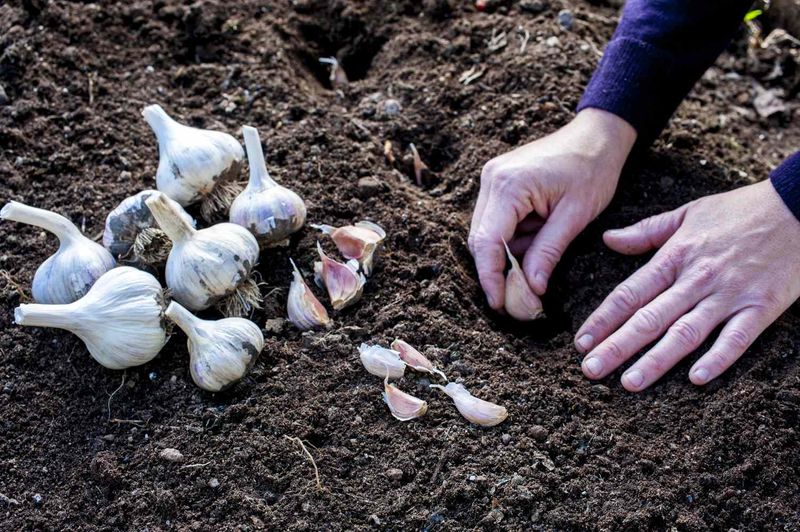
Garlic is one of the easiest crops to start right now. Break a head of garlic into single cloves and keep the papery skins on.
Plant each clove pointy side up, about two inches deep and six inches apart. Choose hardneck types like German White or Music, since they handle our cold winters very well.
Spring bulbs follow a similar plan. Tulips, daffodils, and crocuses all need a long chill to bloom. A good rule is to plant a bulb about three times as deep as it is tall. So a two-inch tulip bulb goes roughly six inches down.
Timing matters more than you might think. Bulbs need a few weeks to grow roots before the ground freezes. In most of Pennsylvania, that means planting by late October. Folks in the southeast can often wait a bit longer.
Squirrels love to dig up fresh bulbs, especially tulips and crocuses. Laying chicken wire over the bed for a few weeks can help. Daffodils are a safer pick because critters find them bitter and leave them alone.
Here is a fun fact. Garlic that grows through winter usually makes bigger heads than garlic planted in spring. Come July, you will pull up fat, tasty bulbs ready for pasta and roasting.
Finish with a layer of straw or shredded leaves on top. Then sit back and wait for spring to surprise you.
© Scotts Fafard
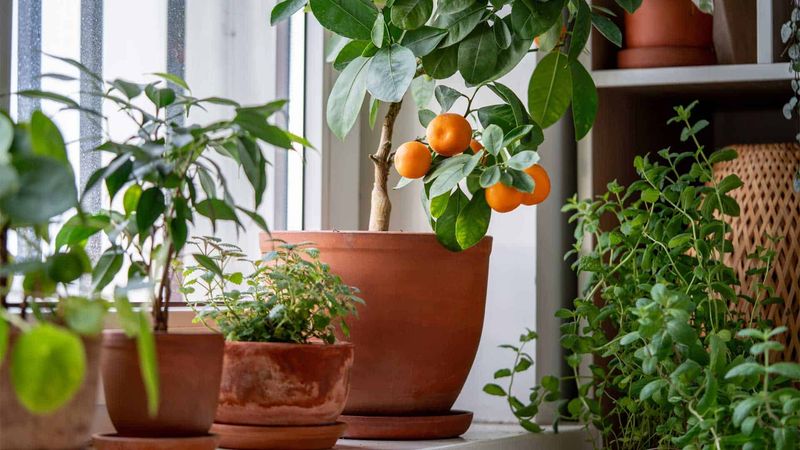
Your hibiscus has been living its best life on the patio all summer. It soaked up the sun and bloomed like crazy. But once October nights slip into the 40s, that vacation is over.
Tropical plants come from warm places where cold snaps never happen. Hibiscus, mandevilla, citrus, and many houseplants can get hurt when temperatures drop below 50 degrees.
Leaves may turn yellow, spot, or fall off. A single frost can wreck a plant you spent years growing.
Before you haul pots inside, play detective. Look under leaves and along stems for tiny bugs like aphids, mealybugs, and spider mites.
These pests love warm homes and will happily spread to your other plants. Spray plants with a strong stream from the hose to knock off hitchhikers.
For extra safety, wipe leaves with insecticidal soap. Some gardeners also soak pots in a tub of water for fifteen minutes. That chases out ants and other critters hiding in the soil.
Find the brightest spot you have, like a south-facing window. Indoor light is much weaker than summer sun. Your plants may drop a few leaves as they adjust, and that is normal. Just be patient with them.
Water less often during winter, since plants grow slower when days are short. Let the top inch of soil dry out between drinks. Too much water can cause root rot.
Try moving plants inside gradually if you can. A week of bringing them in at night helps them adjust. Your tropical friends will thank you next May with fresh growth and bright blooms.
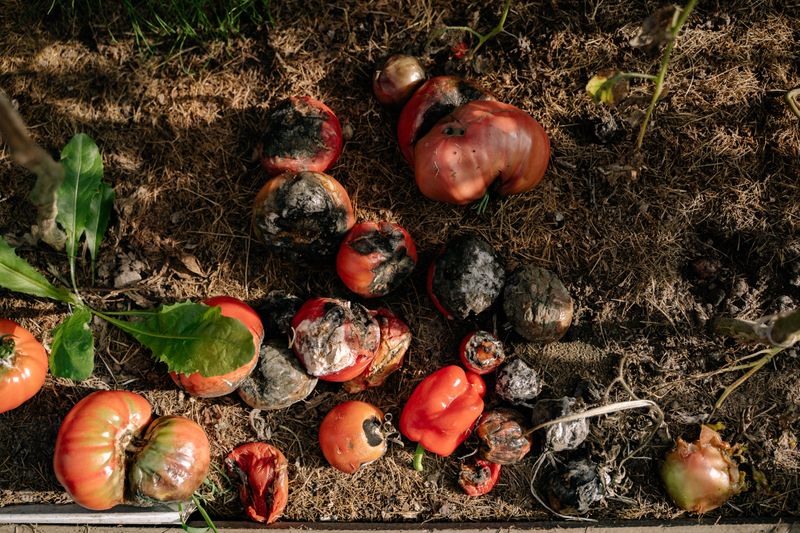
Image Credit: © Yan Krukau / Pexels
Ask any Pennsylvania gardener about tomato blight and you will probably hear a groan. Those brown spots and yellow leaves are frustrating. Sadly, the trouble does not just disappear when the season ends.
Many plant diseases are sneaky survivors. Fungus spores can hide on old leaves and stems all winter long. When spring rains arrive, they splash right back onto new plants. Cleaning up now breaks that cycle.
Start with your tomatoes. Pull out any plants that showed blight, leaf spots, or wilting. Grab fallen leaves and rotten fruit too. Even small scraps can carry disease into next year.
Flowers need attention as well. Peonies, phlox, and bee balm often get powdery mildew or leaf spot by fall. Their leaves may look white, dusty, or blotchy. Cut those stems down close to the ground and gather every leaf you can.
Now comes the key rule. Do not toss sick plants into your compost pile. Most home compost piles never get hot enough to destroy disease spores. Instead, put the material in a trash bag or yard waste bin that leaves your property.
Clean your pruners after each plant with rubbing alcohol or a mix of bleach and water. Dirty tools can spread germs from one plant to the next. It only takes a few seconds.
Healthy plants without problems can stay standing if you like. Seed heads feed birds, and hollow stems give helpful insects a winter home. Just remove the sick stuff.
Think of it as giving your garden a fresh start. Next summer, your tomatoes will have a much better shot at staying green and strong.
© Horticulture Magazine
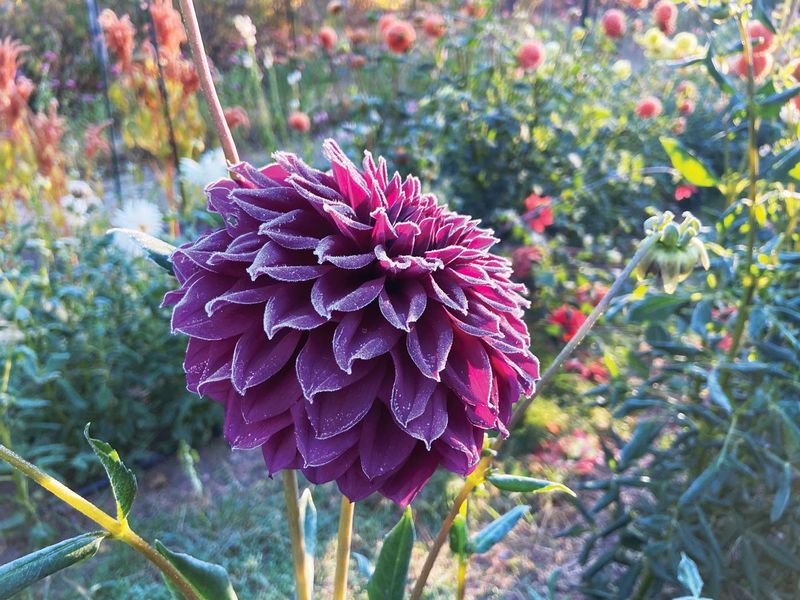
One chilly morning you will step outside and gasp. Your gorgeous dahlias, cannas, and elephant ears have turned black and limp overnight. Don’t panic, because that is actually your signal to get to work.
Plants like these come from warm climates. Their tubers and bulbs simply cannot handle frozen Pennsylvania ground. Left in the soil, they will rot by spring. The good news is that you can save them and replant next year for free.
Wait until the first frost blackens the leaves. Then cut the stems down to about four to six inches. Use a garden fork rather than a shovel to loosen the soil. Forks are less likely to slice through tubers.
Gently lift the clumps and shake off loose dirt. Rinse them with a hose if they are very muddy. Let them dry in a shady garage or shed for a few days. Drying helps prevent mold during storage.
Next, pack them in boxes or crates filled with peat moss, wood shavings, or dry sand. Keep tubers from touching each other. Label each variety so you remember which colors you have. Masking tape and a marker work great.
Store your boxes somewhere cool and dark that stays above freezing. A basement or unheated room around 40 to 50 degrees is ideal. Check on them once a month. Toss any that feel mushy, and lightly mist any that look shriveled.
Fun bit of history here. Dahlias are the national flower of Mexico, where the Aztecs once grew them. With a little care, your own collection can keep growing year after year.
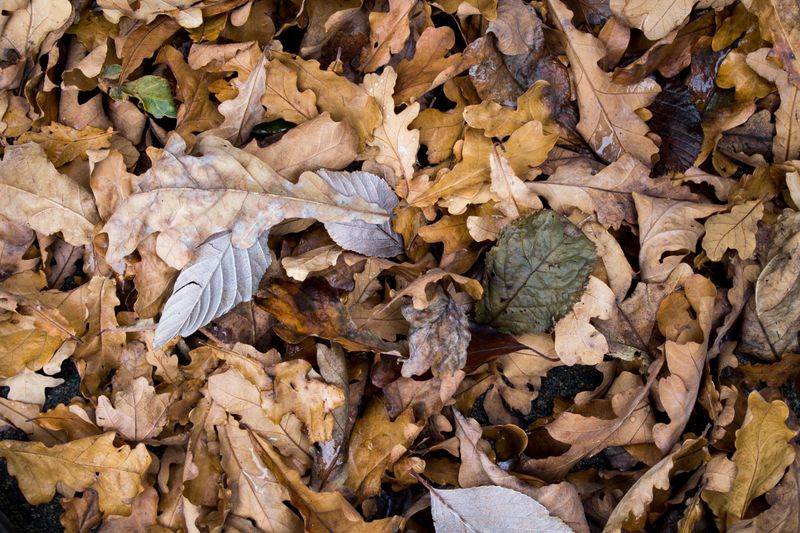
Image Credit: © Aidan Carney / Pexels
Every fall, Pennsylvania trees drop a free treasure right into our yards. Most people rake it up, bag it, and drag it to the curb. Yet those leaves are one of the best things you can give your garden.
Leaves are packed with nutrients that trees pulled up from deep in the soil. When they break down, they feed worms and tiny soil life. That makes your dirt darker, richer, and better at holding water.
There is one catch. Whole leaves can mat together into a soggy blanket. On your lawn, that layer blocks sunlight and can smother the grass. In garden beds, flat wet leaves may keep water from soaking in.
The fix is easy and kind of fun. Run your lawn mower over the leaves a few times. A mulching blade or bag attachment works best. Shredded leaves break down faster and stay fluffy.
Spread a layer two to three inches thick over flower beds and around shrubs. Keep it a few inches away from tree trunks and plant stems. The mulch keeps soil temperatures steady and protects roots during freezing nights.
Got extra? Toss them into your compost pile. Leaves are a great brown material that balances out green kitchen scraps. Mix them in and turn the pile every few weeks.
You can also just leave a thin layer of shredded leaves on the lawn. Small pieces slip down between grass blades and feed the turf over winter.
Some gardeners pile leaves in a wire bin for a year to make leaf mold. Gardeners call that crumbly result black gold, and your plants will love it.
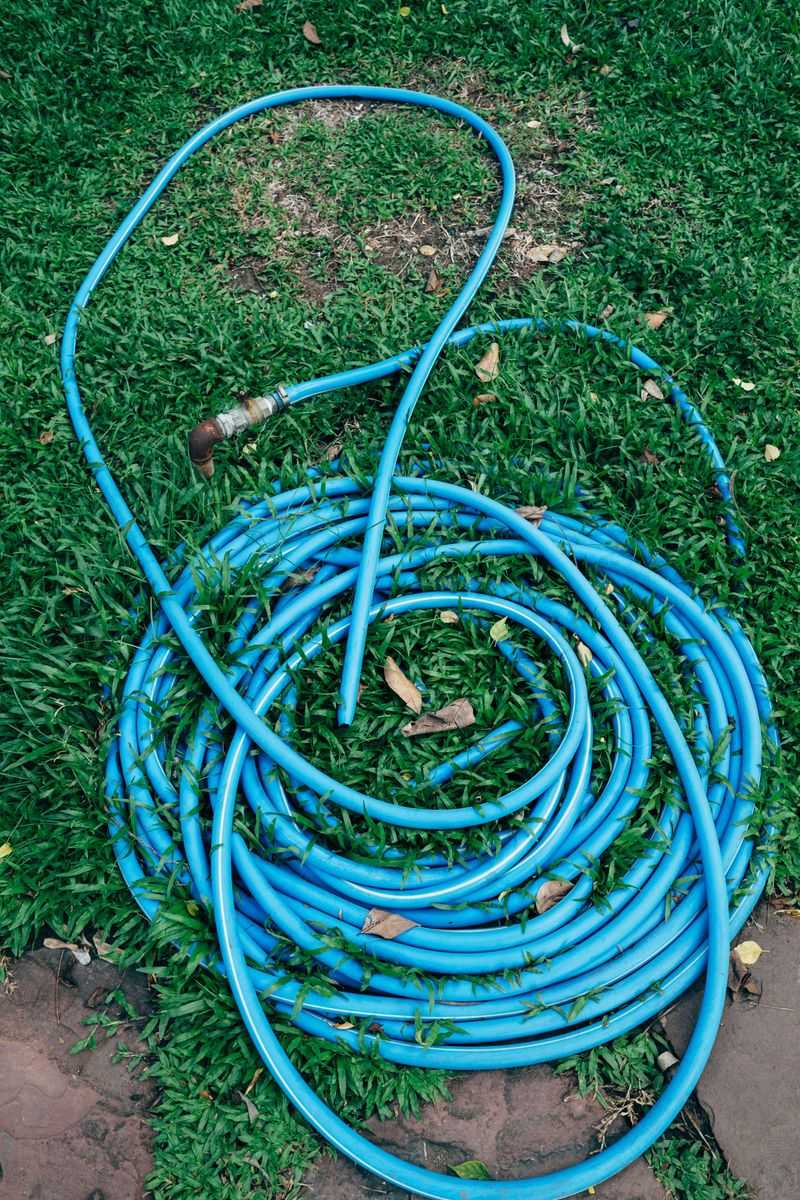
Image Credit: © Markus Winkler / Pexels
Nobody wants a plumber bill in January. Yet every winter, plenty of Pennsylvania homeowners get one because of a forgotten garden hose. A few minutes of work in October can spare you that headache.
Here is the science. Water expands when it freezes. If a hose stays attached to a faucet, trapped water can freeze and push back into the pipe.
That pressure can crack the faucet or the pipe inside your wall. Often you will not notice until spring when water floods your basement.
Start by unscrewing every hose from outdoor spigots. Stretch each hose out on a slope, like a driveway or hill. Lift one end and walk it along so the water drains out the other side.
Coil the hose loosely in big loops. Tight coils can cause kinks and cracks. Store it in a garage, shed, or basement where it is out of the sun and cold. Rubber and vinyl last much longer when kept indoors.
Next, check your faucets. Many older homes have a shutoff valve inside the basement for each outdoor spigot. Turn that valve off. Then open the outside faucet to let leftover water run out. Leave it open all winter.
Newer homes may have frost-free faucets. They are designed to drain on their own, but only when no hose is attached. That is one more reason to unhook everything.
Don’t forget sprinklers, spray nozzles, and watering wands. Bring them inside too. Aim to finish before the first hard freeze, usually late October or early November in most of Pennsylvania.
© Reddit
Bare soil in winter is a bit like leaving your front door wide open. Wind and rain sneak in and carry away the good stuff. A cover crop is like closing that door and adding a warm blanket.
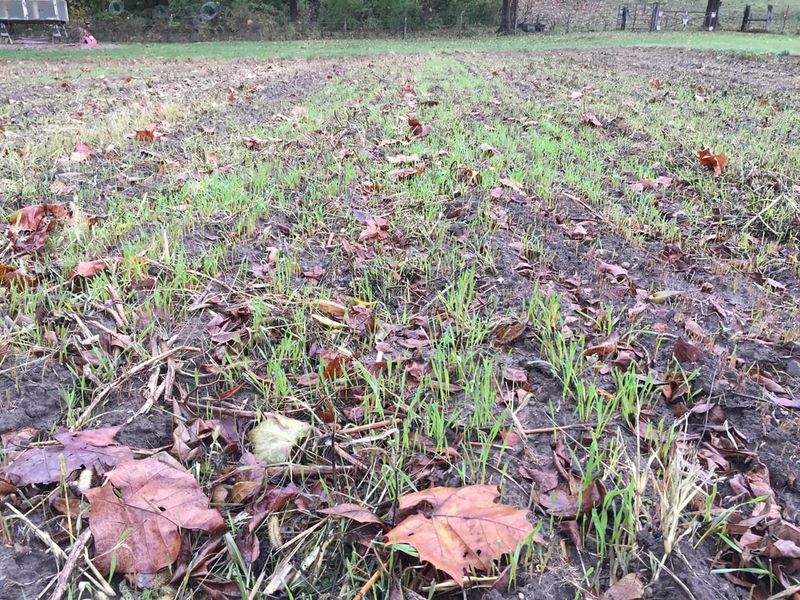
Cereal rye is a superstar choice for Pennsylvania gardeners. Unlike most plants, it keeps growing in chilly weather. You can sow it well into October and still see green sprouts within a week or two. It even stays green on mild winter days.
Getting started is simple. Clear out old vegetable plants and rake the soil smooth. Scatter the seeds by hand, about a handful for every small bed.
Then rake lightly so seeds are just barely covered. Water them if rain is not in the forecast.
All winter long, those roots hold soil in place. They stop heavy rains from washing away topsoil. The roots also break up hard ground and keep weeds from taking over.
When spring arrives, you have a job to do. Cut the rye down before it forms seed heads, usually in April. Chop it up and turn it into the soil, or leave it on top as mulch. Wait about two to three weeks before planting vegetables.
As the rye breaks down, it adds organic matter to your beds. That means better soil, happier worms, and healthier crops.
Farmers have used cover crops for hundreds of years, and many Pennsylvania farms still rely on them today. Buy rye seed at a local feed store, where it is often cheap. Your vegetable beds will start next season stronger than ever.
The post Pennsylvania Garden Tasks You Should Tackle Up Before Halloween appeared first on Positivebloom.
Nights dip below freezing, the leaves are piling up, and the window for outdoor work starts closing fast. That makes Halloween a handy deadline.
The weeks leading up to it are some of the most productive of the entire gardening year. The weather is usually comfortable for working outside, the soil is still soft enough to dig, and plants are getting ready to rest.
A few hours spent now can prevent frozen hoses, damaged shrubs, disease problems, and a messy cleanup next spring.
It’s also your last good chance to plant bulbs, protect tender plants, and set up the garden for a strong start next year.
Knock out these key tasks before the costumes come out, and you’ll head into winter feeling prepared instead of rushed.
1. Plant Garlic And Spring Bulbs
© The Spruce
Few things feel as hopeful as burying a tiny bulb in cold dirt and trusting it to bloom months later. October is the sweet spot for that kind of faith in Pennsylvania. The soil is still soft, but cool weather is settling in.
Garlic is one of the easiest crops to start right now. Break a head of garlic into single cloves and keep the papery skins on.
Plant each clove pointy side up, about two inches deep and six inches apart. Choose hardneck types like German White or Music, since they handle our cold winters very well.
Spring bulbs follow a similar plan. Tulips, daffodils, and crocuses all need a long chill to bloom. A good rule is to plant a bulb about three times as deep as it is tall. So a two-inch tulip bulb goes roughly six inches down.
Timing matters more than you might think. Bulbs need a few weeks to grow roots before the ground freezes. In most of Pennsylvania, that means planting by late October. Folks in the southeast can often wait a bit longer.
Squirrels love to dig up fresh bulbs, especially tulips and crocuses. Laying chicken wire over the bed for a few weeks can help. Daffodils are a safer pick because critters find them bitter and leave them alone.
Here is a fun fact. Garlic that grows through winter usually makes bigger heads than garlic planted in spring. Come July, you will pull up fat, tasty bulbs ready for pasta and roasting.
Finish with a layer of straw or shredded leaves on top. Then sit back and wait for spring to surprise you.
2. Bring Tender Plants Back Inside
© Scotts Fafard
Your hibiscus has been living its best life on the patio all summer. It soaked up the sun and bloomed like crazy. But once October nights slip into the 40s, that vacation is over.
Tropical plants come from warm places where cold snaps never happen. Hibiscus, mandevilla, citrus, and many houseplants can get hurt when temperatures drop below 50 degrees.
Leaves may turn yellow, spot, or fall off. A single frost can wreck a plant you spent years growing.
Before you haul pots inside, play detective. Look under leaves and along stems for tiny bugs like aphids, mealybugs, and spider mites.
These pests love warm homes and will happily spread to your other plants. Spray plants with a strong stream from the hose to knock off hitchhikers.
For extra safety, wipe leaves with insecticidal soap. Some gardeners also soak pots in a tub of water for fifteen minutes. That chases out ants and other critters hiding in the soil.
Find the brightest spot you have, like a south-facing window. Indoor light is much weaker than summer sun. Your plants may drop a few leaves as they adjust, and that is normal. Just be patient with them.
Water less often during winter, since plants grow slower when days are short. Let the top inch of soil dry out between drinks. Too much water can cause root rot.
Try moving plants inside gradually if you can. A week of bringing them in at night helps them adjust. Your tropical friends will thank you next May with fresh growth and bright blooms.
3. Clear Out Sick And Diseased Plants
Image Credit: © Yan Krukau / Pexels
Ask any Pennsylvania gardener about tomato blight and you will probably hear a groan. Those brown spots and yellow leaves are frustrating. Sadly, the trouble does not just disappear when the season ends.
Many plant diseases are sneaky survivors. Fungus spores can hide on old leaves and stems all winter long. When spring rains arrive, they splash right back onto new plants. Cleaning up now breaks that cycle.
Start with your tomatoes. Pull out any plants that showed blight, leaf spots, or wilting. Grab fallen leaves and rotten fruit too. Even small scraps can carry disease into next year.
Flowers need attention as well. Peonies, phlox, and bee balm often get powdery mildew or leaf spot by fall. Their leaves may look white, dusty, or blotchy. Cut those stems down close to the ground and gather every leaf you can.
Now comes the key rule. Do not toss sick plants into your compost pile. Most home compost piles never get hot enough to destroy disease spores. Instead, put the material in a trash bag or yard waste bin that leaves your property.
Clean your pruners after each plant with rubbing alcohol or a mix of bleach and water. Dirty tools can spread germs from one plant to the next. It only takes a few seconds.
Healthy plants without problems can stay standing if you like. Seed heads feed birds, and hollow stems give helpful insects a winter home. Just remove the sick stuff.
Think of it as giving your garden a fresh start. Next summer, your tomatoes will have a much better shot at staying green and strong.
4. Dig Up Dahlias And Other Tender Bulbs
© Horticulture Magazine
One chilly morning you will step outside and gasp. Your gorgeous dahlias, cannas, and elephant ears have turned black and limp overnight. Don’t panic, because that is actually your signal to get to work.
Plants like these come from warm climates. Their tubers and bulbs simply cannot handle frozen Pennsylvania ground. Left in the soil, they will rot by spring. The good news is that you can save them and replant next year for free.
Wait until the first frost blackens the leaves. Then cut the stems down to about four to six inches. Use a garden fork rather than a shovel to loosen the soil. Forks are less likely to slice through tubers.
Gently lift the clumps and shake off loose dirt. Rinse them with a hose if they are very muddy. Let them dry in a shady garage or shed for a few days. Drying helps prevent mold during storage.
Next, pack them in boxes or crates filled with peat moss, wood shavings, or dry sand. Keep tubers from touching each other. Label each variety so you remember which colors you have. Masking tape and a marker work great.
Store your boxes somewhere cool and dark that stays above freezing. A basement or unheated room around 40 to 50 degrees is ideal. Check on them once a month. Toss any that feel mushy, and lightly mist any that look shriveled.
Fun bit of history here. Dahlias are the national flower of Mexico, where the Aztecs once grew them. With a little care, your own collection can keep growing year after year.
5. Turn Fallen Leaves Into Garden Gold
Image Credit: © Aidan Carney / Pexels
Every fall, Pennsylvania trees drop a free treasure right into our yards. Most people rake it up, bag it, and drag it to the curb. Yet those leaves are one of the best things you can give your garden.
Leaves are packed with nutrients that trees pulled up from deep in the soil. When they break down, they feed worms and tiny soil life. That makes your dirt darker, richer, and better at holding water.
There is one catch. Whole leaves can mat together into a soggy blanket. On your lawn, that layer blocks sunlight and can smother the grass. In garden beds, flat wet leaves may keep water from soaking in.
The fix is easy and kind of fun. Run your lawn mower over the leaves a few times. A mulching blade or bag attachment works best. Shredded leaves break down faster and stay fluffy.
Spread a layer two to three inches thick over flower beds and around shrubs. Keep it a few inches away from tree trunks and plant stems. The mulch keeps soil temperatures steady and protects roots during freezing nights.
Got extra? Toss them into your compost pile. Leaves are a great brown material that balances out green kitchen scraps. Mix them in and turn the pile every few weeks.
You can also just leave a thin layer of shredded leaves on the lawn. Small pieces slip down between grass blades and feed the turf over winter.
Some gardeners pile leaves in a wire bin for a year to make leaf mold. Gardeners call that crumbly result black gold, and your plants will love it.
6. Drain And Put Away Garden Hoses
Image Credit: © Markus Winkler / Pexels
Nobody wants a plumber bill in January. Yet every winter, plenty of Pennsylvania homeowners get one because of a forgotten garden hose. A few minutes of work in October can spare you that headache.
Here is the science. Water expands when it freezes. If a hose stays attached to a faucet, trapped water can freeze and push back into the pipe.
That pressure can crack the faucet or the pipe inside your wall. Often you will not notice until spring when water floods your basement.
Start by unscrewing every hose from outdoor spigots. Stretch each hose out on a slope, like a driveway or hill. Lift one end and walk it along so the water drains out the other side.
Coil the hose loosely in big loops. Tight coils can cause kinks and cracks. Store it in a garage, shed, or basement where it is out of the sun and cold. Rubber and vinyl last much longer when kept indoors.
Next, check your faucets. Many older homes have a shutoff valve inside the basement for each outdoor spigot. Turn that valve off. Then open the outside faucet to let leftover water run out. Leave it open all winter.
Newer homes may have frost-free faucets. They are designed to drain on their own, but only when no hose is attached. That is one more reason to unhook everything.
Don’t forget sprinklers, spray nozzles, and watering wands. Bring them inside too. Aim to finish before the first hard freeze, usually late October or early November in most of Pennsylvania.
7. Sow A Cover Crop Of Cereal Rye
Bare soil in winter is a bit like leaving your front door wide open. Wind and rain sneak in and carry away the good stuff. A cover crop is like closing that door and adding a warm blanket.
Cereal rye is a superstar choice for Pennsylvania gardeners. Unlike most plants, it keeps growing in chilly weather. You can sow it well into October and still see green sprouts within a week or two. It even stays green on mild winter days.
Getting started is simple. Clear out old vegetable plants and rake the soil smooth. Scatter the seeds by hand, about a handful for every small bed.
Then rake lightly so seeds are just barely covered. Water them if rain is not in the forecast.
All winter long, those roots hold soil in place. They stop heavy rains from washing away topsoil. The roots also break up hard ground and keep weeds from taking over.
When spring arrives, you have a job to do. Cut the rye down before it forms seed heads, usually in April. Chop it up and turn it into the soil, or leave it on top as mulch. Wait about two to three weeks before planting vegetables.
As the rye breaks down, it adds organic matter to your beds. That means better soil, happier worms, and healthier crops.
Farmers have used cover crops for hundreds of years, and many Pennsylvania farms still rely on them today. Buy rye seed at a local feed store, where it is often cheap. Your vegetable beds will start next season stronger than ever.
The post Pennsylvania Garden Tasks You Should Tackle Up Before Halloween appeared first on Positivebloom.