T
Taylor Adams
Guest
- Thread Author
- #1
Pruning away a strange cluster of shoots might seem like the obvious solution, but some rose problems cannot be fixed with garden shears.
Knock Out roses sometimes develop tightly packed, distorted growth known as witches’ brooms. When this symptom appears alongside unusual red shoots and excessive thorniness, rose rosette disease becomes a serious concern.
The trouble is that removing affected branches will not eliminate the disease from an infected plant.
Georgia gardeners should examine suspicious growth carefully before deciding what to do next. Similar symptoms can have other causes, so proper identification matters.
Avoid taking cuttings from affected roses or moving potentially infected plant material around your garden.
If rose rosette disease is confirmed, removing the entire infected plant is generally recommended to help protect nearby roses from further spread.
© Hill Rag
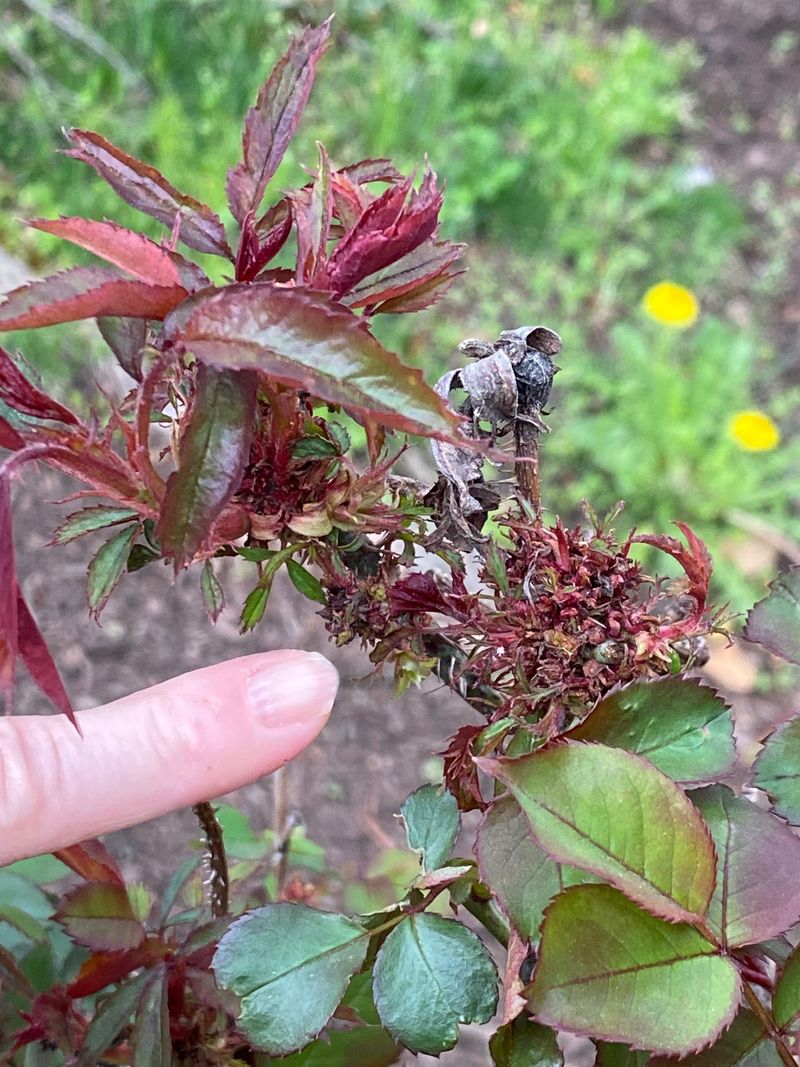
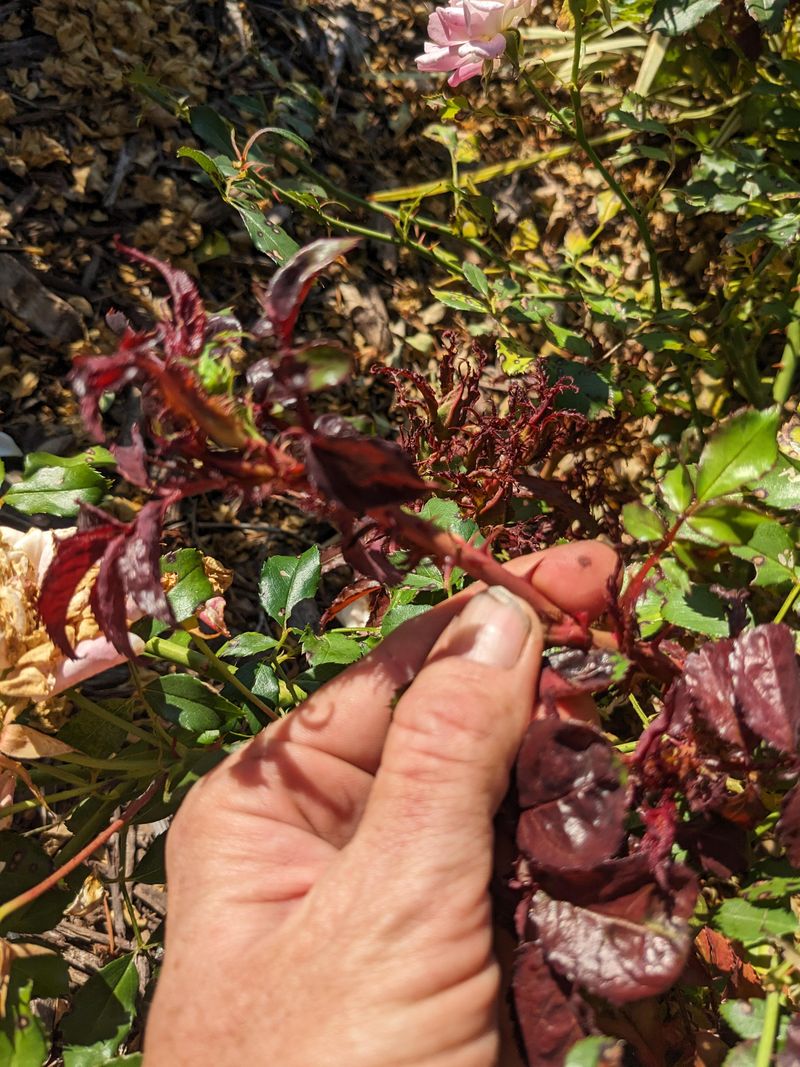
Red new growth on a rose is normal at first, but crowded red tufts that stay red are another story. Healthy shoots on Knock Out roses often start reddish and then turn green as the leaves mature.
Witches’ brooms look different.
You will see many short, skinny shoots bunched tightly at one spot on a cane, almost like a little broom. Stems may look thick and rubbery, and the leaves on them are often small, crinkled, and deep red.
In Georgia, the most common cause of that pattern is Rose Rosette Disease, a virus spread by microscopic eriophyid mites.
Extension specialists across the Southeast have tracked this virus in landscape roses for years. Knock Out roses are planted so widely in parking lots, yards, and roadsides that they show up often in reports.
Not every red cluster means infection, though.
Herbicide drift, especially from glyphosate sprayed nearby, can cause twisted, narrow, oddly shaped growth that looks similar. Think back on whether anyone sprayed weeds close to the bush in recent weeks.
If you are unsure, snap a few clear photos and take a sample to your county Extension office.
Staff there can help you sort out the cause before you make bigger decisions. Getting the diagnosis right first saves you from tearing out a rose that might recover on its own.
© Revolutionary Gardens
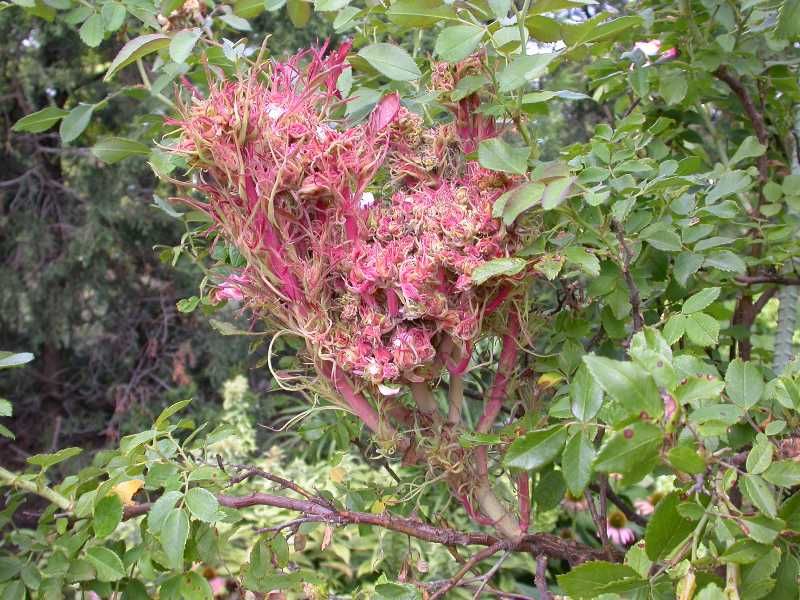
Run your eyes along an affected cane and you may notice something odd. It can look almost furry, packed with far more thorns than a normal stem carries.
Those prickles are often soft and red at first, then harden over time.
Gardeners sometimes describe the cane as hairy or bristly. Seeing that heavy thorn growth alongside red brooms makes Rose Rosette Disease much more likely.
Flowers can also give you clues.
Buds may stay small, open in strange shapes, or fail to open at all. Some petals show streaks, odd color, or a crumpled look that does not match the rest of the bush.
Leaves on infected shoots are often stunted and crinkly, with an unusual mottled pattern in some cases. Taken alone, any one sign could have another explanation.
Look for several symptoms together rather than relying on just one.
A bush with brooms, extra thorns, and warped blooms tells a much clearer story. In Georgia gardens, that combination is a strong reason to act rather than wait for a full season.
Keep notes or photos each week if you are still unsure.
Symptoms tend to spread to more canes over time, and tracking them helps you and your Extension agent judge what is happening. Fast changes are easier to spot when you compare pictures side by side.
© The Good Earth Garden Center
You will not see the culprit with your bare eyes. Eriophyid mites are so small that you need strong magnification to spot them on a leaf.
Unlike insects, these mites have no wings.
They crawl onto exposed spots, and breezes can lift and carry them to nearby plants. Once a mite feeds on an infected rose, it can pass the virus to the next rose where it lands and feeds.
Roses planted close together face the greatest risk because mites do not have far to travel.
Tight hedges and mass plantings, which are common in Georgia neighborhoods and shopping centers, make it easy for the virus to hop along a row. Shrubs touching each other can also let mites crawl across directly.
Spraying for mites might seem like a smart move.
Some miticides and horticultural oils can lower mite numbers, but they do not cure a rose that already carries the virus. Coverage is tricky too, since the mites hide in buds and leaf folds.
Extension sources generally treat sprays as a minor helper at best, not a fix. Spacing, removing sick plants quickly, and watching for new symptoms matter much more.
Tools and gloves are not considered a major way the virus spreads, but cleaning them is still a good habit after handling sick plants.

© Fine Gardening
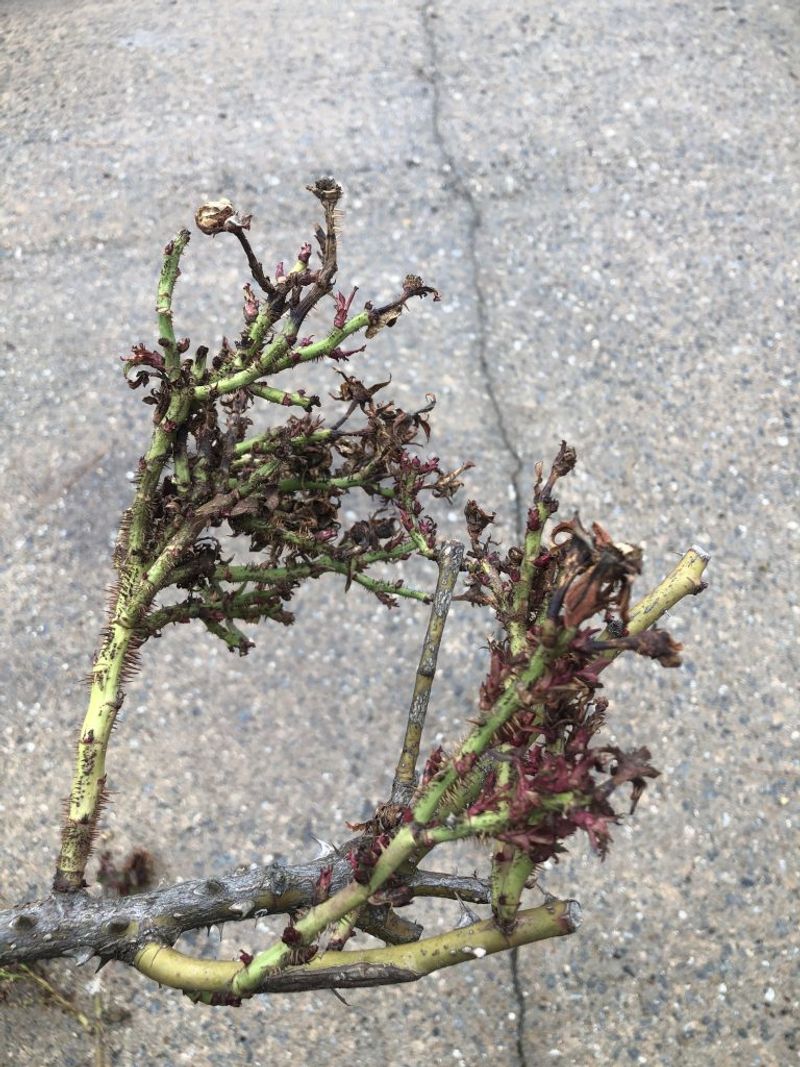
Snipping off the ugly broom feels like a fix. Unfortunately, the virus usually has already moved deeper into the plant by the time you notice the symptoms.
Once inside, it can travel through the canes and down into the crown and roots.
That means the rose may look clean for a while after pruning, then push out new red clusters weeks or months later. Gardeners often go through this cycle more than once before realizing what is happening.
Some experts have looked at whether very early, hard pruning can save a bush.
Results have been mixed, and success seems limited to cases caught at the first sign on a single cane. Even then, there is no promise the plant stays clear.
Meanwhile, an infected bush left in place can serve as a source for mites to carry the virus elsewhere. Your neighbors’ roses and your other beds could be affected.
Pruning can still play a role while you decide what to do.
Removing symptomatic growth and bagging it right away may slow things down a little. Just think of it as a short pause, not a solution.
Across Georgia, Extension advice generally leans toward removal of the whole plant once the disease is confirmed. Keeping a sick rose for its looks can cost you healthier shrubs nearby.
© Reddit
Pulling out a rose you planted and loved is tough. Still, it is the step most likely to protect the rest of your garden.
Start by slipping a large plastic bag over the top of the shrub if you can.
Covering it first helps keep mites from blowing off while you work. Then cut the canes down so the plant is easier to handle and stuff into the bag.
Next, dig out the crown and as much of the root system as you can reach. Roots left behind may sprout new shoots that still carry the virus.
Watch that spot over the following months for any suckers.
If something pops up, dig it out right away. A little follow-up now prevents a hidden source from lingering in your bed.
Bag all the plant material and send it out with your household trash.
Skip the compost pile and avoid leaving brush piles near other roses. In Georgia, local rules on yard debris vary, so check with your city or county if you are unsure about pickup.
Thick gloves and long sleeves will save your arms from those extra thorns. Clean your pruners and shovel afterward as a sensible habit before moving on to healthy plants.
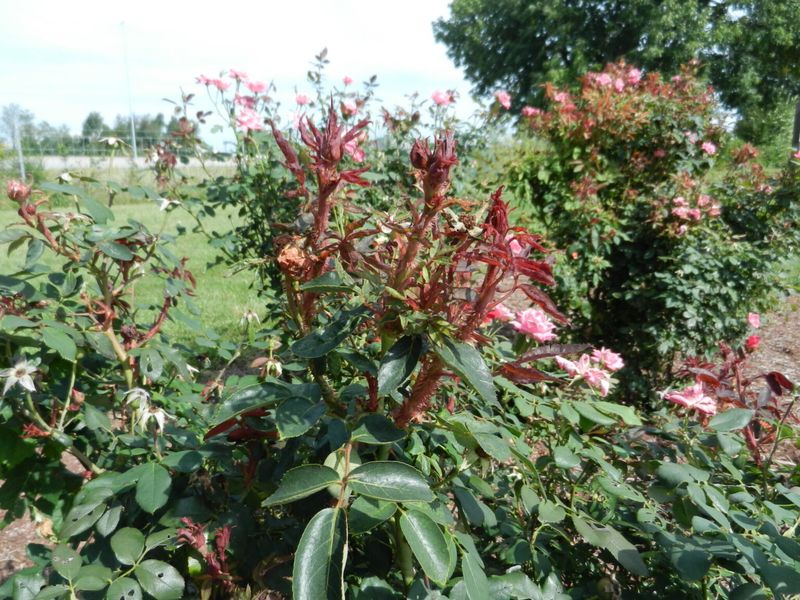
© Purdue Landscape Report
Sometimes the real trouble hides at the edge of the woods. Multiflora rose is an invasive shrub that grows along fences, roadsides, and forest borders.
It produces clusters of small white flowers in spring and forms thick, arching thickets.
This wild rose is highly susceptible to Rose Rosette Disease. Infected stands can act as a reservoir, giving mites a steady supply of virus close to your garden.
Walk your property line and look closely.
Multiflora rose has leaves split into several leaflets and fringed bases where the leaf meets the stem. If you see brooms or heavy thorns on it, that is a red flag for your landscape roses.
Removing it can take real effort because the plant spreads aggressively and resprouts from roots. Cutting, digging, or carefully applied herbicides may be needed, depending on the size of the patch.
Bigger infestations often take more than one season to bring under control.
If the plants sit on a neighbor’s land, a friendly conversation might help both yards. Your county Extension office in Georgia can share control options suited to your situation.
Clearing wild roses will not guarantee your shrubs stay healthy, since mites can drift from farther away. Still, cutting down a nearby source lowers the pressure on your garden.
© Pixies Gardens
An empty spot in the bed can feel like an invitation to replant right away. Before you buy another rose, think about trying something else for a while.
No rose variety has been shown to be fully resistant to Rose Rosette Disease.
Knock Out roses and many other popular types can still become infected. Placing a fresh rose where a sick one grew, especially if leftover roots remain, may set you up for repeat trouble.
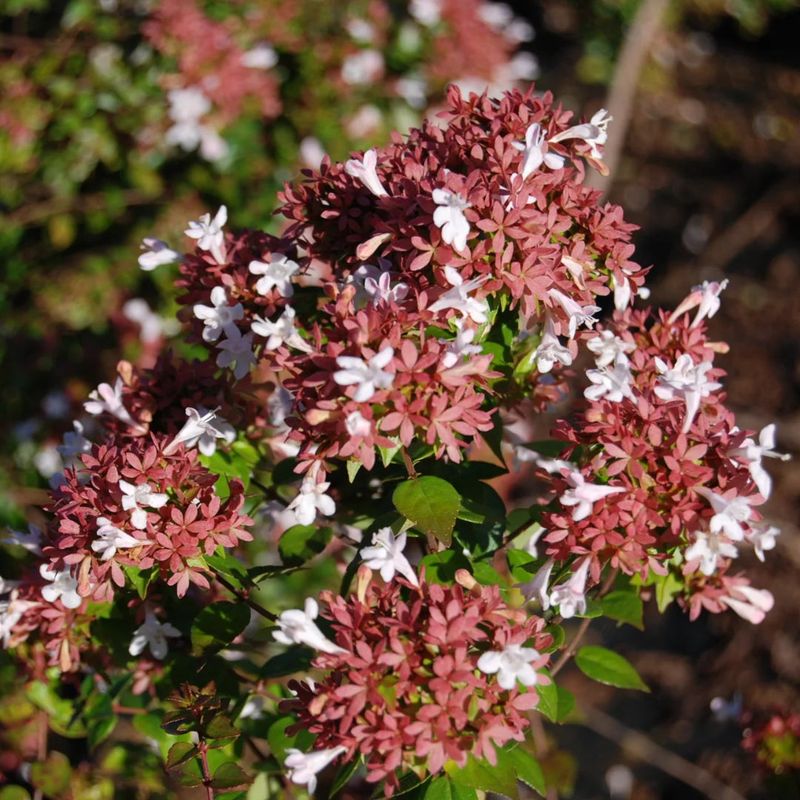
Plenty of shrubs fill that sunny space nicely without hosting this virus.
Abelia, dwarf yaupon holly, loropetalum, and some spireas are common choices in Georgia landscapes. Pick based on your soil, sun, and the mature size you need, since growing conditions vary across the state.
If you really love roses, wait until you are sure no root sprouts remain before trying again. Some Extension sources suggest waiting a season or longer, though exact timing is not set in stone.
Spacing matters when you do bring roses back.
Leave room so plants do not touch, which makes it harder for mites to crawl between them. Mixing roses with other kinds of shrubs instead of planting long solid rows may also help.
Keep checking new growth during spring and summer. Catching a problem early gives you far more choices than discovering it after it spreads.
The post Georgia Knock Out Roses With Witches’ Brooms Need More Than Just Pruning appeared first on Positivebloom.
Knock Out roses sometimes develop tightly packed, distorted growth known as witches’ brooms. When this symptom appears alongside unusual red shoots and excessive thorniness, rose rosette disease becomes a serious concern.
The trouble is that removing affected branches will not eliminate the disease from an infected plant.
Georgia gardeners should examine suspicious growth carefully before deciding what to do next. Similar symptoms can have other causes, so proper identification matters.
Avoid taking cuttings from affected roses or moving potentially infected plant material around your garden.
If rose rosette disease is confirmed, removing the entire infected plant is generally recommended to help protect nearby roses from further spread.
1. Clusters Of Twisted, Reddish Shoots Are A Warning Sign Of Serious Disease
© Hill Rag
Red new growth on a rose is normal at first, but crowded red tufts that stay red are another story. Healthy shoots on Knock Out roses often start reddish and then turn green as the leaves mature.
Witches’ brooms look different.
You will see many short, skinny shoots bunched tightly at one spot on a cane, almost like a little broom. Stems may look thick and rubbery, and the leaves on them are often small, crinkled, and deep red.
In Georgia, the most common cause of that pattern is Rose Rosette Disease, a virus spread by microscopic eriophyid mites.
Extension specialists across the Southeast have tracked this virus in landscape roses for years. Knock Out roses are planted so widely in parking lots, yards, and roadsides that they show up often in reports.
Not every red cluster means infection, though.
Herbicide drift, especially from glyphosate sprayed nearby, can cause twisted, narrow, oddly shaped growth that looks similar. Think back on whether anyone sprayed weeds close to the bush in recent weeks.
If you are unsure, snap a few clear photos and take a sample to your county Extension office.
Staff there can help you sort out the cause before you make bigger decisions. Getting the diagnosis right first saves you from tearing out a rose that might recover on its own.
2. Extra Thorns And Distorted Blooms Help Confirm The Diagnosis
© Revolutionary Gardens
Run your eyes along an affected cane and you may notice something odd. It can look almost furry, packed with far more thorns than a normal stem carries.
Those prickles are often soft and red at first, then harden over time.
Gardeners sometimes describe the cane as hairy or bristly. Seeing that heavy thorn growth alongside red brooms makes Rose Rosette Disease much more likely.
Flowers can also give you clues.
Buds may stay small, open in strange shapes, or fail to open at all. Some petals show streaks, odd color, or a crumpled look that does not match the rest of the bush.
Leaves on infected shoots are often stunted and crinkly, with an unusual mottled pattern in some cases. Taken alone, any one sign could have another explanation.
Look for several symptoms together rather than relying on just one.
A bush with brooms, extra thorns, and warped blooms tells a much clearer story. In Georgia gardens, that combination is a strong reason to act rather than wait for a full season.
Keep notes or photos each week if you are still unsure.
Symptoms tend to spread to more canes over time, and tracking them helps you and your Extension agent judge what is happening. Fast changes are easier to spot when you compare pictures side by side.
3. Tiny Wind-Blown Mites Carry The Virus From Plant To Plant
© The Good Earth Garden Center
You will not see the culprit with your bare eyes. Eriophyid mites are so small that you need strong magnification to spot them on a leaf.
Unlike insects, these mites have no wings.
They crawl onto exposed spots, and breezes can lift and carry them to nearby plants. Once a mite feeds on an infected rose, it can pass the virus to the next rose where it lands and feeds.
Roses planted close together face the greatest risk because mites do not have far to travel.
Tight hedges and mass plantings, which are common in Georgia neighborhoods and shopping centers, make it easy for the virus to hop along a row. Shrubs touching each other can also let mites crawl across directly.
Spraying for mites might seem like a smart move.
Some miticides and horticultural oils can lower mite numbers, but they do not cure a rose that already carries the virus. Coverage is tricky too, since the mites hide in buds and leaf folds.
Extension sources generally treat sprays as a minor helper at best, not a fix. Spacing, removing sick plants quickly, and watching for new symptoms matter much more.
Tools and gloves are not considered a major way the virus spreads, but cleaning them is still a good habit after handling sick plants.
4. Cutting Out Affected Canes Rarely Stops The Infection
© Fine Gardening
Snipping off the ugly broom feels like a fix. Unfortunately, the virus usually has already moved deeper into the plant by the time you notice the symptoms.
Once inside, it can travel through the canes and down into the crown and roots.
That means the rose may look clean for a while after pruning, then push out new red clusters weeks or months later. Gardeners often go through this cycle more than once before realizing what is happening.
Some experts have looked at whether very early, hard pruning can save a bush.
Results have been mixed, and success seems limited to cases caught at the first sign on a single cane. Even then, there is no promise the plant stays clear.
Meanwhile, an infected bush left in place can serve as a source for mites to carry the virus elsewhere. Your neighbors’ roses and your other beds could be affected.
Pruning can still play a role while you decide what to do.
Removing symptomatic growth and bagging it right away may slow things down a little. Just think of it as a short pause, not a solution.
Across Georgia, Extension advice generally leans toward removal of the whole plant once the disease is confirmed. Keeping a sick rose for its looks can cost you healthier shrubs nearby.
5. Remove The Whole Plant, Roots Included, And Bag It
Pulling out a rose you planted and loved is tough. Still, it is the step most likely to protect the rest of your garden.
Start by slipping a large plastic bag over the top of the shrub if you can.
Covering it first helps keep mites from blowing off while you work. Then cut the canes down so the plant is easier to handle and stuff into the bag.
Next, dig out the crown and as much of the root system as you can reach. Roots left behind may sprout new shoots that still carry the virus.
Watch that spot over the following months for any suckers.
If something pops up, dig it out right away. A little follow-up now prevents a hidden source from lingering in your bed.
Bag all the plant material and send it out with your household trash.
Skip the compost pile and avoid leaving brush piles near other roses. In Georgia, local rules on yard debris vary, so check with your city or county if you are unsure about pickup.
Thick gloves and long sleeves will save your arms from those extra thorns. Clean your pruners and shovel afterward as a sensible habit before moving on to healthy plants.
6. Wild Multiflora Rose Nearby Can Keep The Problem Coming Back
© Purdue Landscape Report
Sometimes the real trouble hides at the edge of the woods. Multiflora rose is an invasive shrub that grows along fences, roadsides, and forest borders.
It produces clusters of small white flowers in spring and forms thick, arching thickets.
This wild rose is highly susceptible to Rose Rosette Disease. Infected stands can act as a reservoir, giving mites a steady supply of virus close to your garden.
Walk your property line and look closely.
Multiflora rose has leaves split into several leaflets and fringed bases where the leaf meets the stem. If you see brooms or heavy thorns on it, that is a red flag for your landscape roses.
Removing it can take real effort because the plant spreads aggressively and resprouts from roots. Cutting, digging, or carefully applied herbicides may be needed, depending on the size of the patch.
Bigger infestations often take more than one season to bring under control.
If the plants sit on a neighbor’s land, a friendly conversation might help both yards. Your county Extension office in Georgia can share control options suited to your situation.
Clearing wild roses will not guarantee your shrubs stay healthy, since mites can drift from farther away. Still, cutting down a nearby source lowers the pressure on your garden.
7. A Different Shrub In The Same Spot Lowers The Risk Next Time
© Pixies Gardens
An empty spot in the bed can feel like an invitation to replant right away. Before you buy another rose, think about trying something else for a while.
No rose variety has been shown to be fully resistant to Rose Rosette Disease.
Knock Out roses and many other popular types can still become infected. Placing a fresh rose where a sick one grew, especially if leftover roots remain, may set you up for repeat trouble.
Plenty of shrubs fill that sunny space nicely without hosting this virus.
Abelia, dwarf yaupon holly, loropetalum, and some spireas are common choices in Georgia landscapes. Pick based on your soil, sun, and the mature size you need, since growing conditions vary across the state.
If you really love roses, wait until you are sure no root sprouts remain before trying again. Some Extension sources suggest waiting a season or longer, though exact timing is not set in stone.
Spacing matters when you do bring roses back.
Leave room so plants do not touch, which makes it harder for mites to crawl between them. Mixing roses with other kinds of shrubs instead of planting long solid rows may also help.
Keep checking new growth during spring and summer. Catching a problem early gives you far more choices than discovering it after it spreads.
The post Georgia Knock Out Roses With Witches’ Brooms Need More Than Just Pruning appeared first on Positivebloom.